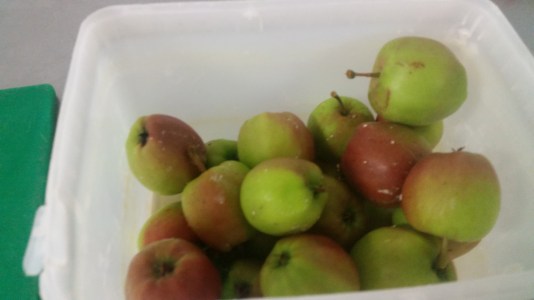
picked crab apple

this is something I have made in the restaurant so the volume is quite large but it last a very long time so worth make it in volume for this I use unripe crab apples

20160728_132125

wipe your apple with a clean damp cloth and cut off the base just a little bit it helps with the pickling of the apples and it is not the nicest piece to eat

20160728_130734

1 litre of cider vinager

600 ml of honey

600 ml water

I cinnamon stick

1 wild bay leaf or store bought one is fine

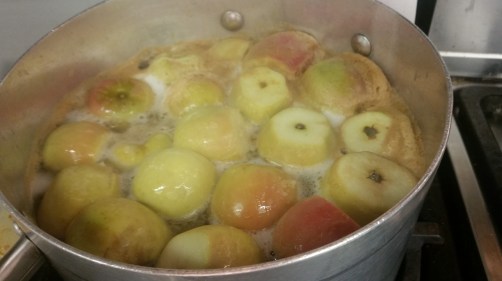
bring the liquid to the boil and reduce to a simmer

place the apples in and leave for five minutes

remove from the heat and leave for ten minutes

remove the apples and cool both

20160728_134830

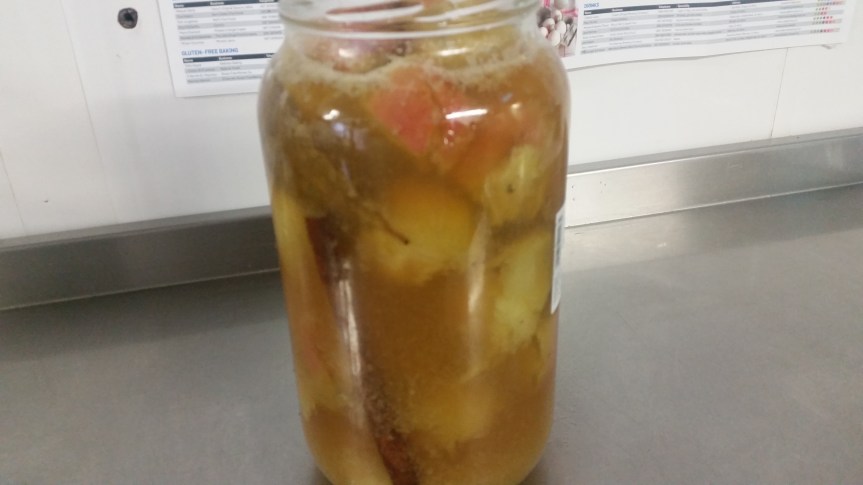
place the apples in a spotless clean jar and pour the liquid over the place in either the fridge or larder for about a week before use but for up to a year maybe more it doesn’t last in the restaurant

20160728_145638

you can follow me at @chefnoelk on twitter and @chefnoelkeane on Instagram


wild billberries by paul cotter

Wild billberries (fraughans)

These little berries are ingrained in my childhood memories as being little juicy delicious balls of sweetness coming into season in July/ August. They are found to me in marsh land, roadsides and forestry trails. They make beautiful jam and are best served simply with a dollop of cream and a sprinkling of sugar. But enough of the anecdotes.

20160727_224213

Bilberries 

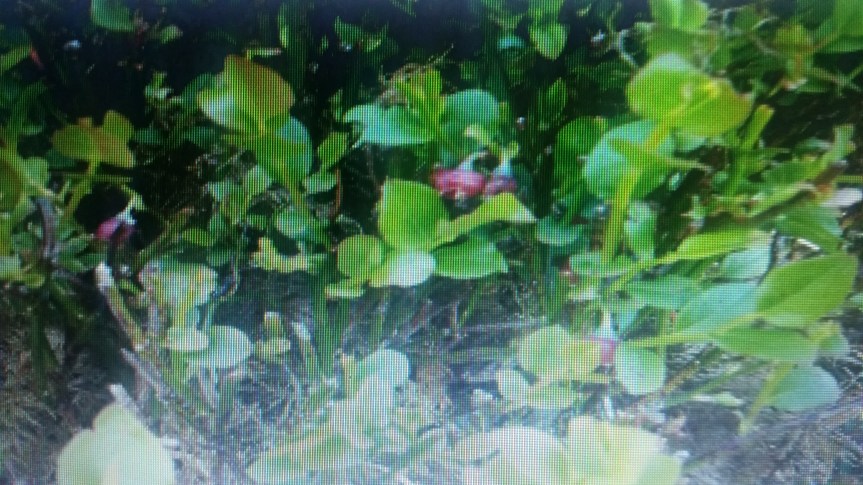
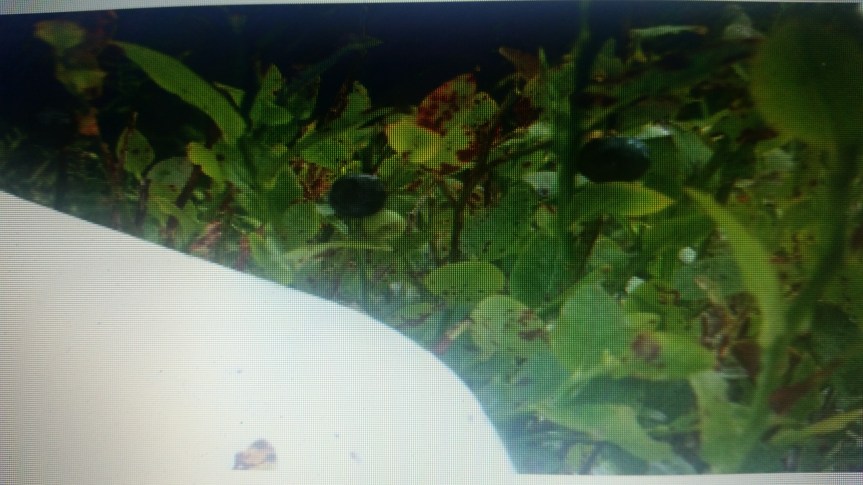
They found growing in acidic hilly ground throughout ireland. They are best described as a wild blueberry.

They begin to flower mid to late summer. The flower looks like a little red lantern not much bigger than a pea

They are ripe for the picking at the moment varying in size from bush to bush depending on the age of the bush and if you get there before the birds do. Average size again is about the size of a blueberry.

They are ripe for the picking at the moment varying in size from bush to bush depending on the age of the bush and if you get there before the birds do. Average size again is about the size of a blueberry.

They are ripe for the picking at the moment varying in size from bush to bush depending on the age of the bush and if you get there before the birds do. Average size again is about the size of a blueberry.

20160727_224203


What can I do with these

There are a variety of recipes out there for billberries from jams to fools even a bilberry gin

Jam recipe

750 g bilberries

750g sugatr

* Wash and dry all the berries ensuring to remove any stalks

* Place into a wide based pot on a medium to low heat

* Allow water to start to evaporate

* Add sugar and allow to dissolve and come to the boil

* Allow to simmer for 15 mins

* Allow to cool

* Pour into clean dry jars cover when cold.

Enjoy with toast or some homemade brown bread


Coming next are blackberries and the berry from the hawthorn (sloe) and of course elderberries watch this space for more information and pictures. Also Twitter and Instagram @chefpaulc

james on salmon part 2

2016-07-06 20.48.59

Salmon follow on blog
so I’ll start be just a quick brief on more detailed stages of the growth of a salmon
Stage 1 ova. The rate of egg or “ova” development is dependent on water temperature
Stage 2 alevins. When their sac is absorbed the alevins become increasingly active and begin their journey up through the gravel of the riverbed. When strong enough the small fish must rise to the surface of the water for air. they fill their swim bladder to making it easier to swim and hold their position in fast flowing stream
Stage 3 fry The fry have eight fins, which are used to maintain their position in fast flowing streams and manoeuvre about in the water during the Summer months
Stage 4 parr Over the Autumn the fry develop into parr with vertical stripes and spots for camouflage they all start to change to the sliver colour and start to adopted to sea water.
Stage 5 smolts In Spring, large numbers of smolts leave Irish rivers to migrate along the North Atlantic
Stage 6 adult salmon Salmon that reach maturity after one year at sea  and full growth at about 2 year mark they return home to the river from the north altantic by the use of smell.
Id like to give a quick and easy recipe for a salmon dish
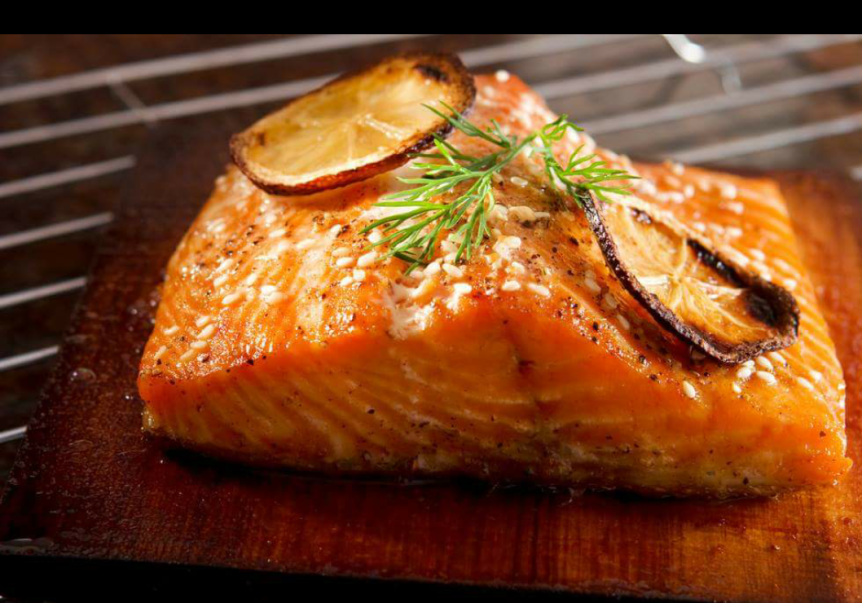
Salmon fillets marinated in Irish whiskey and honey
Ingredients 2 tablespoons honey
cider Irish whiskey
teaspoons chopped fresh thyme
teaspoons grated lemon zest
2tablespoons vegetable oil
salt & freshly ground black pepper
Mix together honey, vinegar, whiskey, thyme, lemon zest, oil, salt and pepper. Pour over salmon and marinate for 4 hours refrigerated.
Preheat oven to 220 .Remove salmon from marinade and place on a a roasting pan. Bake for 10 minutes, basting once with the marinade or until golden and white juices are just beginning to appear.
2016-07-22 22.13.15

James on salmon

2016-07-06 20.48.59


James Mccarthy

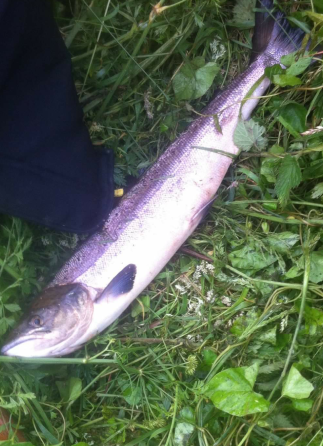
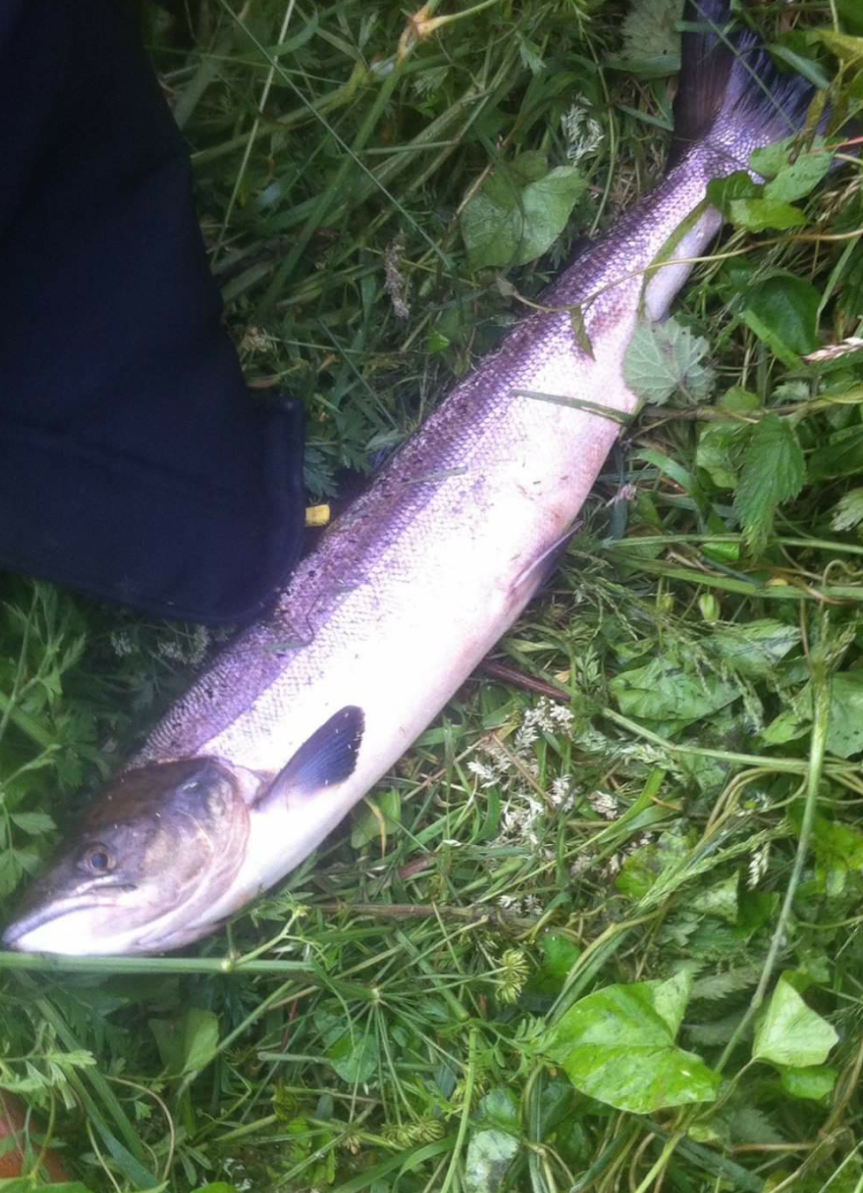
So the blog from me today is about salmon .I’ll start off with the life cycle of a salmon it starts at Stage 1 egg Stage 2 alevins Stage 3 fry Stage 4 parr Stage 5 smolt Stage 6 adult grown salmon Stage 7 kelts ( after spawning ). So it takes a salmon around two years or more to fully mature at sea until they return to Irish rivers they travel thousands of miles to make this journey home to spawn. They have to deal with escaping from nets at sea to river pollution and of coarse river fishermen who to be honest do the least damage to the salmon population. I caught my first salmon of the season a few days ago and when I landed the salmon I looked at it and taught about the life it had and the respect it gets in the kitchen from scaling it to taking out every last bone to filleting it and wondering what’s the head chef dish going to be next for this salmon. whats is its final resting plate going to look like.


wood sorrel

Sorrel-Wood-2

Habitat: Wood sorrel prefers moist soil, and partial shade. Patches of wood sorrel are prevalent on forest floors, and are often found near wild violets, cleavers, and wild onions

Leaves – raw or cooked. A delicious lemony flavour, the leaves make a refreshing, thirst-quenching munch and are also added to salads, soups, sauces etc

It’s deliciously sour, but in a pleasant, non-bitter way. It reminds me of lemons

As a seasoning, it provides a lemony/vinegary taste to whatever it’s added to

Once you’ve tasted a sorrel, you’ll never be able to forget the flavor and therefore will have a VERY VERY hard time misidentifying it in the future

Wood Sorrel only feels at home in moist, semi-shady areas

A walk in the woods, especially in spring in shady areas, can bring a welcome glimpse of vivid, fresh green – Wood Sorrel

Common sorrel has been cultivated for centuries. The leaves may be puréed In soup and sauces or added t0 salads; they have a flavour that is similar to kiwifruit or sour wild strawberries The plant’s sharp taste is due to oxidic acid, which is mildly toxic

it grows in almost every country in the world and is widely used in cooking and medicine

Sorrel has been known as “cuckoo’s meate”, and it is thought that it got this name because people believed that the cuckoo used it to make its voice clear. It is also known as spinach dock. It grows wild as well as in gardens, and its leaves may turn to crimson, or the veins may become a purplish colour. It looks a lot like spinach and can be used in much the same way, although it complements eggs, chicken and other poultry as well as lamb, veal and goat’s cheese

Writing in 1720, John Evelyn says that sorrel “sharpens the appetite, assuages heat, cools the liver and strengthens the heart.”

If you visit Shiraz in Iran, sorrel soup, kardeh in Farsi, is sold by street vendors in winter, to ward off colds and flu. It is widely used in Russian cuisine and there it is believed that sorrel lowers blood pressure. In France it is also widely used in omelettes, soups and green sauce to accompany fish. The young leaves can be used in salads just as spinach and dandelion leaves can. These can be substituted for sorrel and vice versa. In Ireland they use sorrel in a dish that requires fish to be poached in milk

.


foraging

Sorrel-Wood-2

foraging and growing my own

As a child I remember picking berries throughout the summer in a forest near my grandmothers house, and on into autumn when blackberries were in fruit. I also remember some of them being really sharp and others being really juicy and learning the difference between both so you always got the nice sweet juicy berries.

All of that really stopped for me as I grew up and became more active in sports and work, so forest visits became less and less frequent, until it became just another childhood memory. I still pick an occasional blackberry but not as much as I used to do. I suppose life and work got in the way. #cheflife

Then my Mom began growing her own a few years back and I began to pick berries again and eat away as I pleased, furthermore Mom also developed an interest in making jam, chutneys and relishes from her produce in the greenhouse with the addition of a small few ingredients from the supermarket. For which she became know for and I found myself going home to try the latest creation, cucumber relish still is the most unexpected surprise. (Taste was odd but really nice)

I now am growing my own strawberries but the birds are enjoying them more than I am at the moment,( natures bounty I suppose wild animals take preference over us humans). Instead of growing vegetables I am foraging for food and enjoying it immensely I hasten to add, whether it be in a forest, looking for herbs, a country road looking for berries  or the seashore looking for samphire or whatever takes my fancy. I now find myself picking up a few bits every time I go anywhere.

As my career develops I figure it will be handy to know and be able to show other people as time goes on. I am now just short of looking through fields for plants that I can eat, not quite comfortable with the idea just yet.


I feel that there are untapped ingredients to be played with by chefs in the forests and shores of this country, and they taste great to be honest about it. About a fortnight ago I discovered wood sorrel, and chervil growing rampant in a forest near home, adding to that the wild garlic just outside Tralee and wild leeks outside Listowel, that is on top of where I know certain berries are and keeping my eye on them like a woman looking for a bargain.

My next step is looking to preserve these ingredients long term. There are a few ways I know of but will they work for these new foraged ingredients as well as they did for my Mom.

 Only time will tell.

Follow my adventures on Instagram @chefpaulc and Twitter @chefpaulc

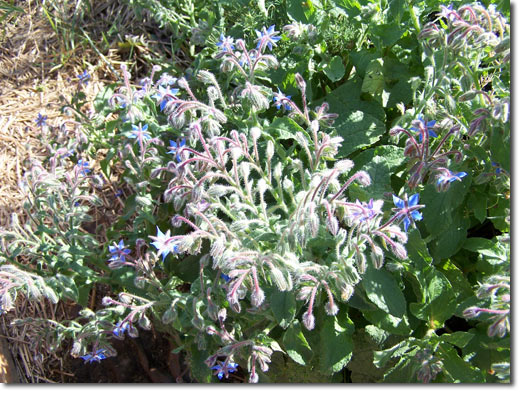
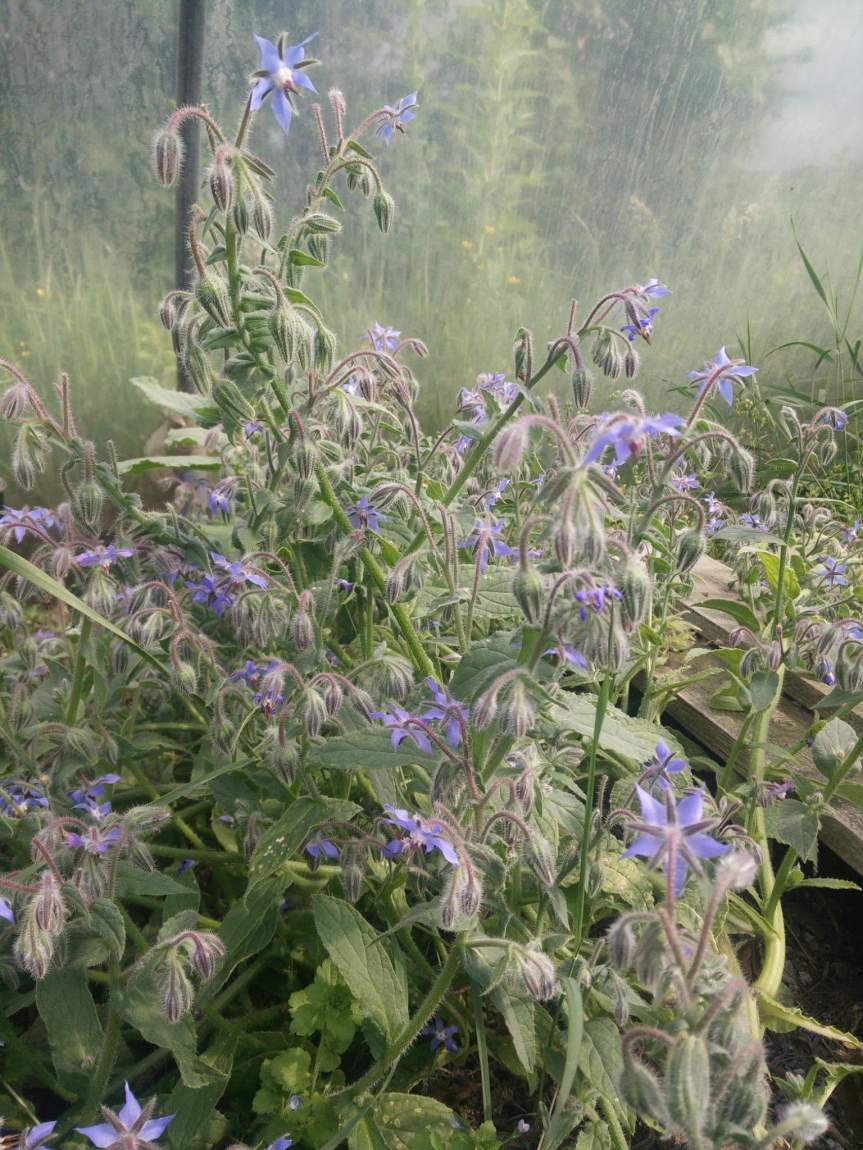
Borage

borage_pagliaro

There are super foods and hyper super foods and then there is borage little used in cooking or anything else a traditional plant that grows wild or by gardeners for its flowers but there is so much more to it .

In the garden it aids plants it is interplanted with esp. Tomatos & strawberries. Strenghts them against rot

In cooking it can be used in salads,sauces, jellies, chutneys , soups desserts , tea , consumme , cocktails

The flower is great in salads can be candid for pastry

The blue dye is edible from the plant but goes pink in acid (vinegar)

It grows in wood lands and pastures

13323614_1057569530947124_9072483798947230033_o


wild wood sorrel

Sorrel-Wood-2

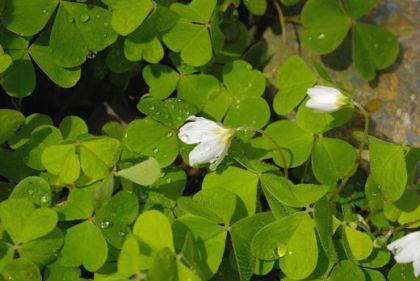
Wood Sorrel is a small creeping perennial. The flowers have five white petals with lilac veins. The leaflets, grown in threes, are heart-shaped; they sometimes fold up. Both flowers and leaves have long fragile stalks.
The plant grows in and at the edge of woods throughout Ireland; in the west it can be found on shady banks or among bracken. It is sometimes planted to naturalise in a shady part of the garden but must be treated with caution; it can become a rampant weed.
The flowers are out in April and May

Wood sorrel is actually a whole range of plants in the oxalis family, all edible, and with common traits that make it very easy to identify. In addition to the ease in identifying, wood sorrel is pretty widespread and grows on every continent (other than Antarctica, obviously), making it a terrific first foraged food for beginners

All the parts of the plant are edible, including leaves, stems, and flowers. Wood sorrel’s flowers each have 5 petals, and they can range in color from white to yellow to pink to purple (or some combinations of the above). Our local wood sorrel has yellow flowers.

SEABEET

13321731_1042002109201661_736718307104315119_n

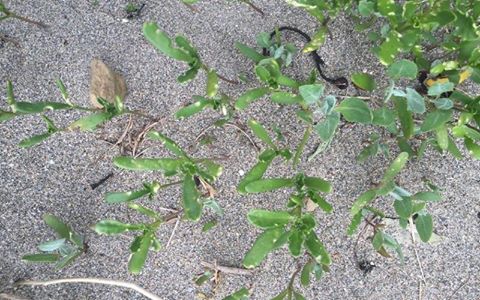
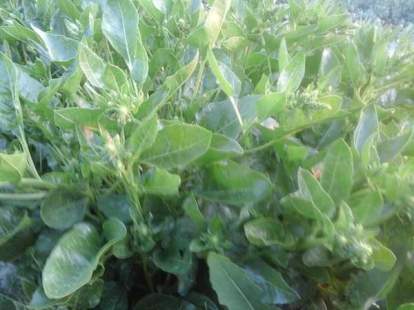
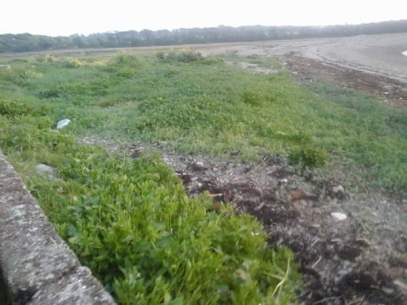
Sea Beet grows in coastal places at tidelines, on shingle beaches, cliffs and sea-walls, and in saltmarshes. It is a close relative of some of our cultivated beets, such as Sugar-beet, Swiss Chard and Beetroot, and can also be cooked and eaten


myself chef noel , Paul and James wandered out Sunday evening to pick some it goes very well with fish of course, it goes all over the coasts of Ireland and is easily spotted

13327617_1042002255868313_3307396316768572733_n

Over the centuries Wild Sea Beet has been cultivated into a multitude of domestic forms, some of which are the very staples of kitchen gardens and cupboards. This very

plant is the common ancestor of no less than

Perpetual Garden Spinach

  • Sugar Beet (from which we farm sugar)
  • The Chards (Swiss, Rainbow, etc.)
  • Beetroot


13320937_1042003152534890_518354924803756827_o