Forest floor by paul

beech-nuts-alamy-atw1yg-580x435

Winter in the forest floor

Now that the season is well underway the remnants of the summer herbs and vegetables are still to be see fading into the background.
Now the chick weeds mosses and thicker ferns cone into season, and mushrooms still holding strong although I suspect not much longer left in them ( please identify mushrooms correctly as they can be toxic)

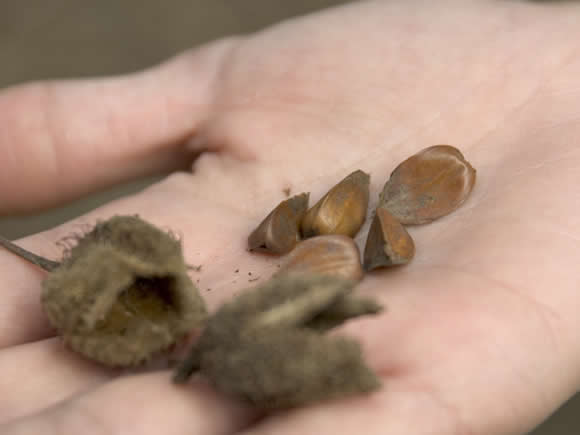
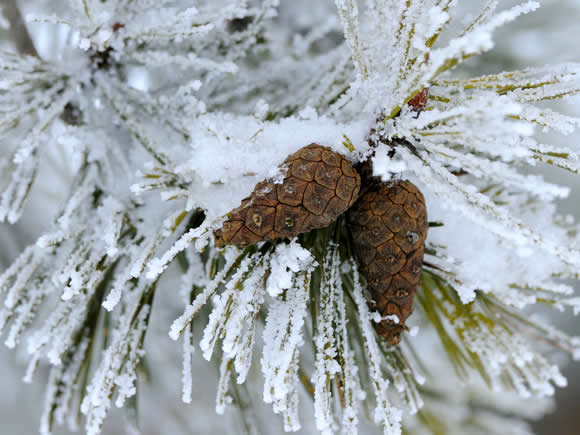
Seeds and nuts are now in depending on where you are oak and pine check the floor for acorns and pine cones if the pine cones is fully opened with a white milky ring it’s empty no point trying to get the tasty nuts inside. If they are closed and still attached pick them leave them by the fire for a few days to open them then tap them to release the beautiful nuts inside, can be eaten raw and most often roasted or toasted and used in pesto’s.

If neither of these apply to you try the beech nuts which have a fuzzy casing that can be easily burst, again eat raw or roast or toast them as a healthy snack. Should you be lucky enough to find sweet chestnuts still hanging around these are the ones with the prickly casing on the outside these can be used to make a puree or as part of your stuffing for your Christmas dinner.

Spruce trees produce cones they are edible but are overpowering, so instead clip the tips off the branches and steep in hot water but not boiling water to make a tea which native Americans still enjoy.

Fir trees take the needles and dry them out by the fire or the hot-press, blend once dried and add to hot water to make tea or to fish, chicken dishes or soups to add a lemony taste.
scots-pine-cones-winter-alamy-h49587-580x435

Now that’s one way to get rid if your Christmas tree as it’s works with pine and spruce also. Use the wood in the fire and the needles in the dinner.

While there are many different types of each of these trees here’s a general how to tell the difference between pine spruce and fir. While they all grow here, are coniferous and needle bearing. The difference lays in the needles
Pine has long needles, by comparison with the other 2.
Fir and spruce are the 2 most similar, both needles are short difference is the needles themselves fir needles are flat while spruce needles are rounded

See James piece for more info on the pine
Follow on Twitter James @boilingjames and myself @chefpaulc
James on pine trees

13239952_10209468183085271_2171483397638933845_n

All pines contain edible seeds in the late season cones. The only issue is the quality and size of those seeds are highly dependent upon the species of pine.

. The best time to gather pine nuts is in September and October. Look for the round open cones. Simply gather the cones, remove the seeds and shell before eating raw or roasting.you can also make tea from the pine needles which is load with vitamin C.to make the tea, simply gather a good handful of fresh green pine needles., dice the needles with a knife as fine as possible. Next, take these needles and put them directly into a cup of boiling water, letting it boil for a minute or two. The water should turn a light yellow color. Add some honey, and drink. what you can also yous of the pine tree is you can eat the bark this comes as the biggest surprise to most people.The first thing you’ll want to do is to choose a large, mature pine tree since it provides the most inner bark without harming the tree.With a heavy drive the tip of the knife through the outer bark with a strong stick with this you well carve out a rectangle  .once done carve out another layer .what you are left with is a tender and sweetest part of the inner bark. cut the bark into thin strips and simply fry them in some butter or oil until medium brown and crispy. Add a little bit of salt and it tastes like potato chips.

Follow james on twitter @boilingjames

Side note you can make pune salt by simply blending pine needles and salt together for a wonderful flavoured salt

This time of year place a few pine cones in the oven for the smell of christmas


James on nettles

nettle-leaves


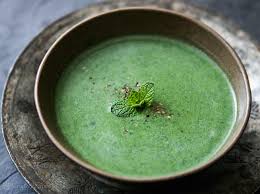
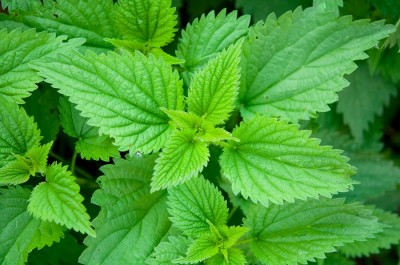
so out off all the wild food that we have in Ireland the one thing that  strikes  me is no restaurant is using nettles there by far the easiest wild food to harvest it wouldn’t take too much time to get a container off it.there not hard to prep either or make a soup out off it. recipe


2016-12-01-09-53-51-559818930


Boil some water pour over the nettles to take the sting out off it chop the leaves and leave to the side while you Melt the butter in a large pot, over a medium heat. Add in the chopped potatoes, onions and leeks and toss them in the butter until well coated. Season well.cook the vegetables over a gentle heat for 10 minutes, until the vegetables are soft but not coloured.Add  the stock and bring to the boil, then reduce to a simmer,Add the chopped nettle leaves and simmer

Be careful not to overcook the soup at this point or the vegetables will discolour and will also lose their flavour.Liquidise the soup, then add the cream

Wild clams

img_20161028_080516966_hdr

Clams and crabs

Recently while out on an evening forage I spotted a lot of sea birds making a lot of noise on the other side of the beach while I normally would get the sea greens.

I figured being a documentary watcher sea birds means food, thinking maybe a few crabs or something nice. To my surprise clams and periwinkles and some mussels, into my bucket ye go onto the dinner table later.

I spent an hour there picking clams bent down like I was footing turf. A crab came over and dug himself under my bucket. See pic of the angry little fella.

img_20161020_193642

Having never done this before, putting the clams under water overnight to purge they are still quite salty, they really need 2-3 days of purging to remove the grit and the excess saltiness to reveal the sweet tastiness that is clam meat.
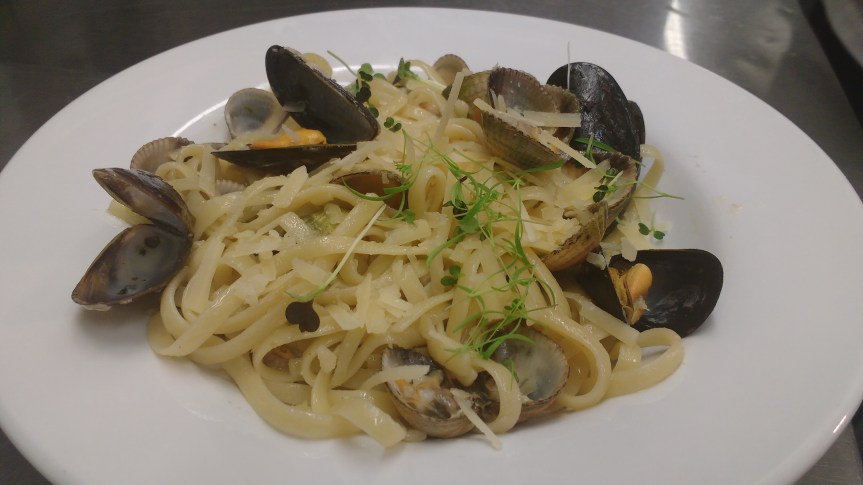
To reference James on their final resting plate  alongside mussels, linguine and parmesan cheese yum yum.

Follow for more adventures on Twitter @chefpaulc Instagram @chefpaulc

img_20161028_181530760

Foraging sea greens

received_10157848579370179

Sea greens
 
Enter a caption
 

Sea greens

Now that the winter is well on its way most of my summer greens have gone to sleep until late spring so I now have new greens in natures vegetable stores.

The hardier of the sea vegetables are coming out to grace our plates. One of these is back for the second time this year all be it in a different form instead of growing up it grows out to resemble a young cabbage patch without the slugs and snails. Scurvy grass is now carpeting an area that was once covered in samphire and sea grass

Oyster leaf is coming to the end with the last few leaves withering away another variety of samphire takes its place

All of these greens are rich in natural salts minerals and vitamins which are lacking in the majority of peoples diets today.

You can pay for supplements and get more chemically engineered minerals or you can take a drive or a walk if close enough to the nearest beach   there is always something to be picked and it’s free just add to a pan with a small bit of butter and gently wilt it or add to white sauce to add a natural saltiness or even mix it through with some salad leaves dress with lemon juice and cracked black pepper.

An added bonus to these greens for the health conscious amongst us there is no added insecticide, pesticides or weed killers no growth hormones, all natural and basically calorie free they really are (sorry Sid) nourish by nature.

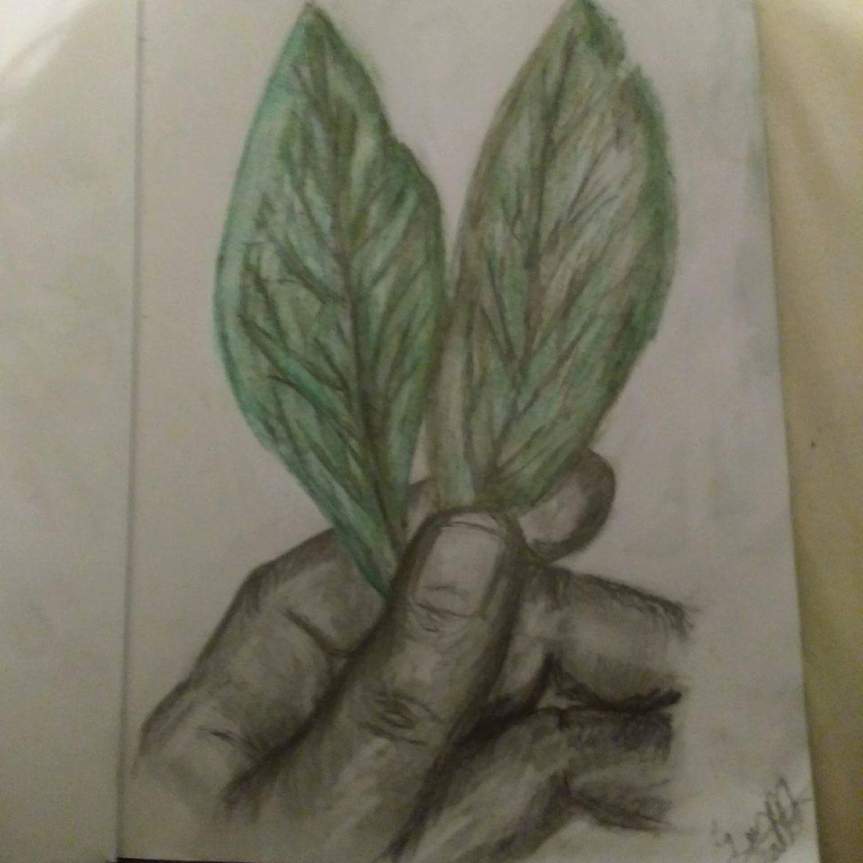
Follow my adventures on Instagram @chefpaulc for what to look for and eat on our coastline pantry thanks also to my fiancée jenny for the artwork follow on Instagram @wattonarts

kevin on capers

2016-10-18-22-21-10

Have you ever wondered what a caper is??

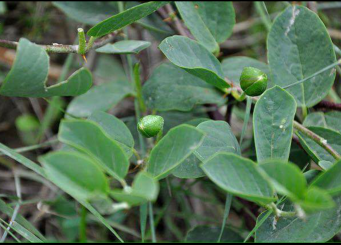
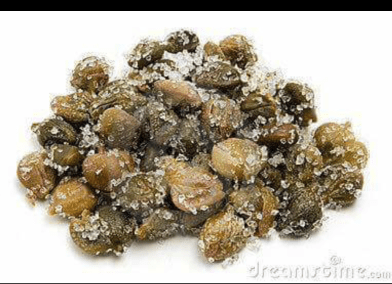
A caper is the bud of a bush that is called a Capparis Spinosa AKA a caper bush also known as flinders rose. The buds are then salted and after a certain amount of time gently washed and pickled with vinegar.

The best capers though are just sea salted. You can also get smaller capers which are generally more expensive but for other reason then they are harder to gather or forage.

2016-10-18-22-20-43

Pickled or sea salted capers go well with pretty much everything. Meat, fish or salads. They are also used to enhance the flavours of other dishes such as caponata which is a zesty aubergine dish (which origins are a mystery but believed to be connected to the caper) and one on my personal favourites pepperonata which is a vegetarian dish but can be served with so many different dishes.

The capers we get from the islands between Italy and Africa are the best because of climate and the islands that have volcanic minerals are the best of all. Here are some photos of where they come from and some photos of what you can do with them

2016-10-18-22-20-20

follow kevin on twitter @parsnip78

Haw sin sauce

20160905_122840

500g haw berries

250ml cider vinegar

250ml water

250g castor sugar

Salt & pepper

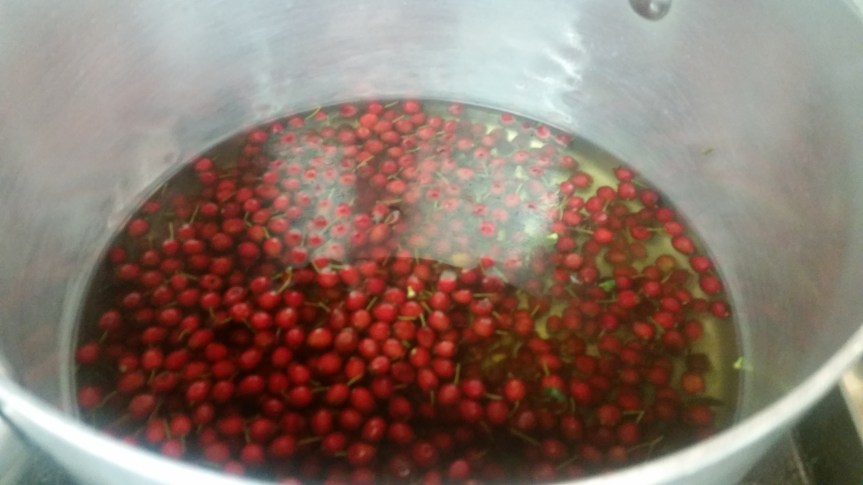
Clean berries place in a pan vinager & water. Bring to the boil allow to boil till berries start to burst and start to go mushy.

20160905_142803

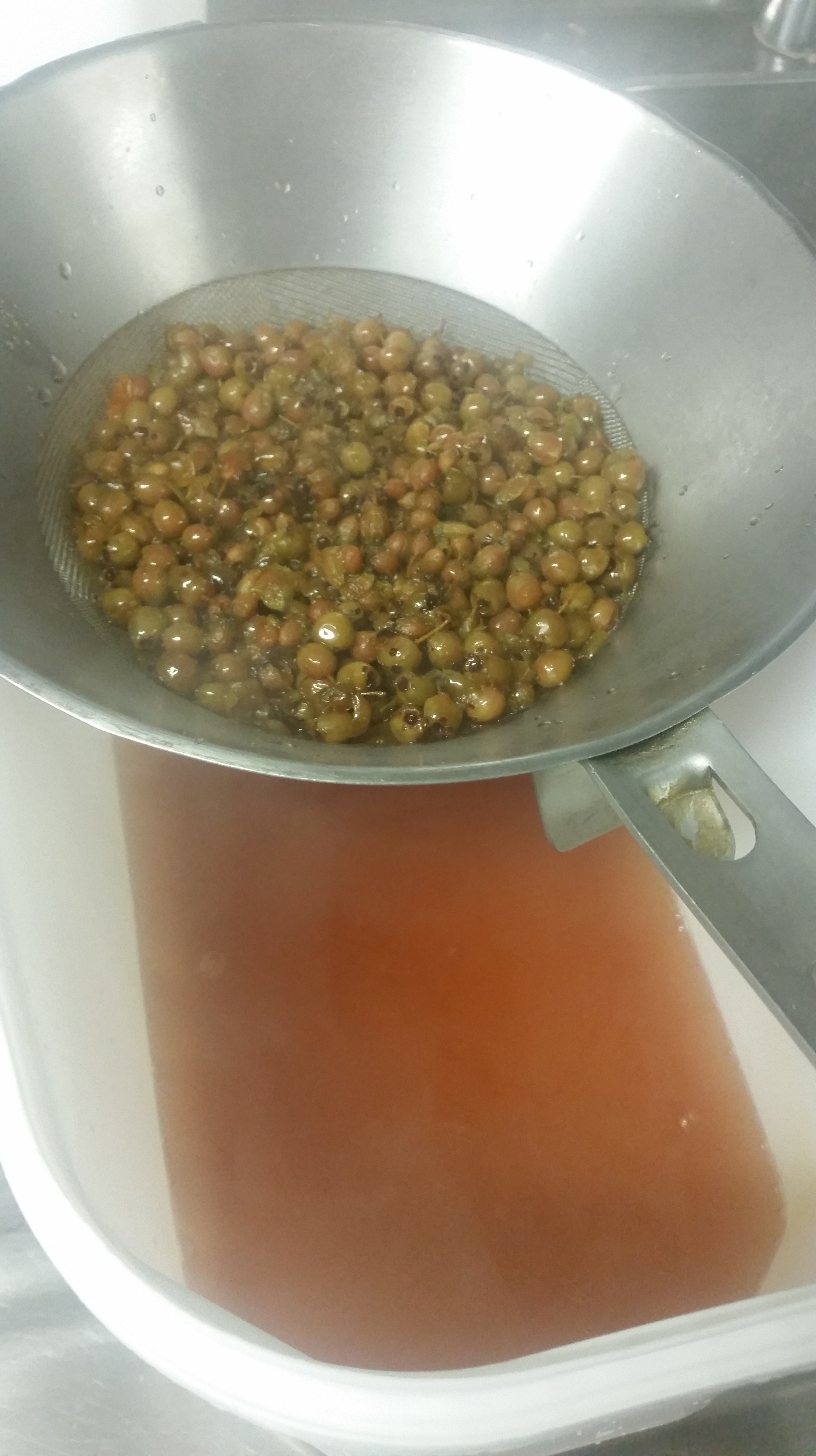
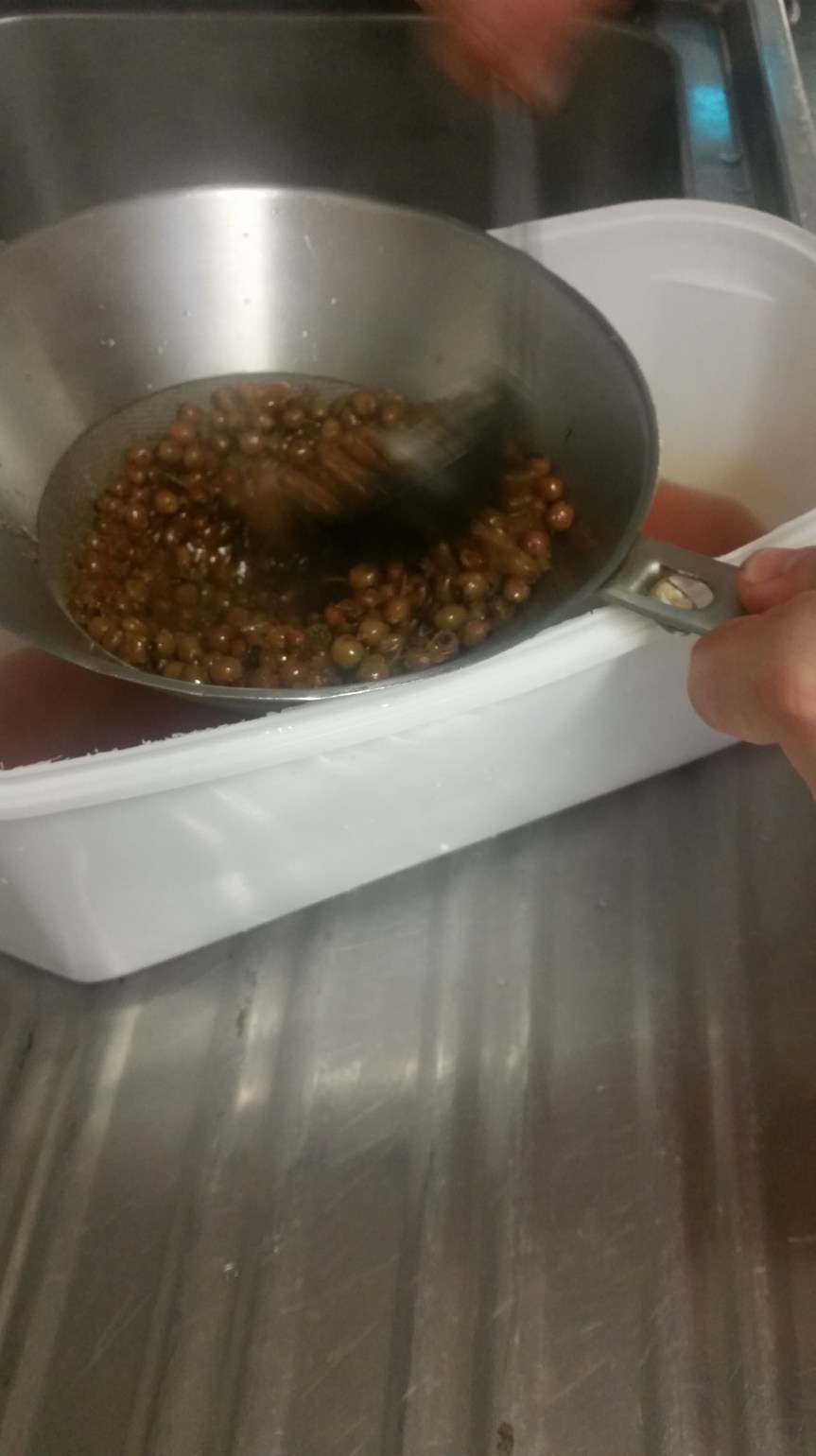
Strain through a fine mesh strainer into a clean container and squeeze with a ladel or spoon .

20160905_142832

Return to a clean pot add sugar . Heat until boiling and goes syurpy

20160905_145736

Pour into sterilised jars

This is great with stir frys . Duck & pork belly .

@chefnoelk twitter @chefnoelkeane instagram

haw berry and sloes

2016-09-19-22-34-42

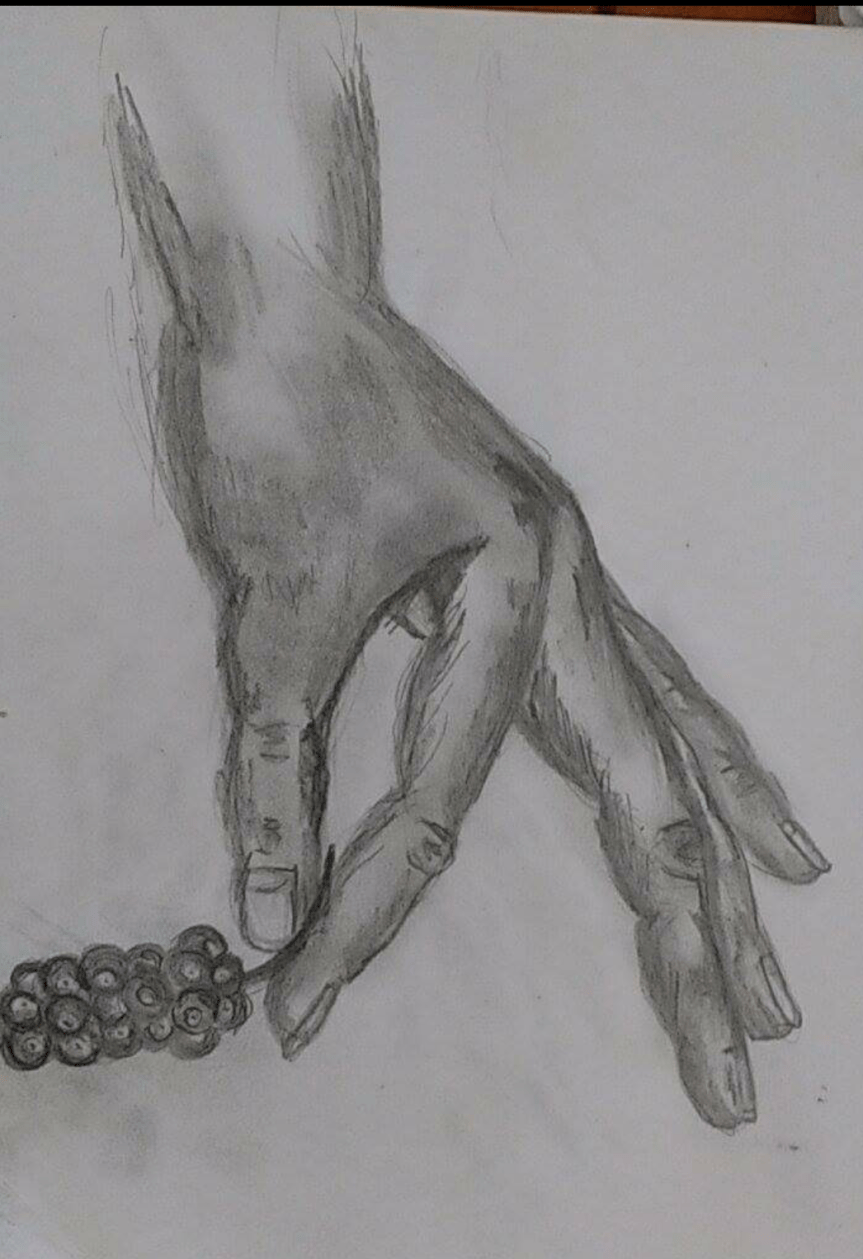
Art by @wattonarts instagram

Haws and Sloes

Both of these are common across Ireland and form a staple in the hedgerows of much of the Irish countryside. Depending on where you are you are more likely to see one more than the other, with the haws (hawthorn) preferring the more acidic soils and the Sloes (blackthorn) preferring a more alkaline soil.

For years I had known that Sloes were used with gin but did not know of any use for the haws. That’s the great thing about being a chef there is always something new, everyday a learning experience, a chance to try new things, create and experiment.

Traditionally haws were used in a variety of ways, including a haw sauce for use with roast dishes, haw tea drunk with the addition of sugar or honey (it needs it these berries are bitter), as well as medicinal uses which some believe helped in the remedy to bladder and kidney stones and a digestive aid and more recently has been linked to heart benefits and general well being.

Haw Tea

Place a handful of the berries into a mug and add boiling water, and leave to infuse for 10/12 minutes. Then remove the berries and drink with sugar or honey.

The Sloes are however have also some medicinal properties when boiled in water until they form a syrup they have been used as a purgative medicine.

The blackthorn can be found along roadsides and in hedgerows around the country and come into fruit around the same time as the haws in the late summer early autumn

Sloe gin

Collect ripe Sloes and wash thoroughly, traditionally each sloe is pricked with a thorn from the blackthorn, but freezing them overnight and defrosting then the next day has the same effect

Place into a wide mouth jar that can be closed tightly half fill with the berries and for every half litre of gin add 100g sugar (add cloves or cinnamon for some added flavour)
Invert daily for 2 weeks then once a week for 12 weeks.
Now it can be decanted into bottles through a fine sieve to ensure sediment and fruit stay separate from the gin.

These can then be turned into a really flavour full jam (so no waste)

Over the coming weeks I will be picking blackberries again see other posts here by @chefnoelk for ideas. (The chutney is really good on its own or on a slice of homemade bread)
Also it’s time for nuts to be appearing on trees soon so keep an eye out for a man climbing a tree with a black tub.

See pictures when I’m doing this on Twitter or Instagram @chefpaulc

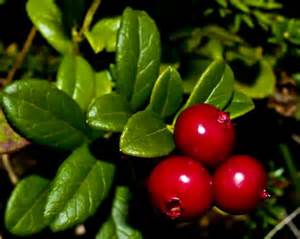
cowberry

thE91CKEWQ


cowberries

These berries are new to me in that I don’t associate them with my childhood, finding out about these quite recently

Alternatively known as lingonberry or foxberry. They can be found across ireland and Scotland and parts of England, found predominantly in bogland and woodland areas.
The berries are edible but are acidic and unpleasant to eat until they are cooked. They are revered in Germany and the Scandinavian countries.

Cookery

They are bitter and until baked or cooked with the addition of sugar. In Nordic countries they make it into a jam and use it as a condiment to meat dishes.

As a member of the heather it is thought to have medicinal uses, some suggesting that it eases cold and flu symptoms, helps with stomach discomfort and dahrreoa

Jam/jelly recipe

In a heavy pot
1 kg of washed and destalked
Add 250ml water and bring to the boil and leave boil until the berries are soft
Add 500g sugar and dissolve
Boil vigorously for 15 mins
Pass through a sieve or muslin cloth if making a jelly
Add 500g sugar for every 600 ml liquid
Boil vigorously for a further 6 minutes until it begins to set.

How do you know it will set
Take a side plate and chill it
Place a spoon of the liquid on the plate it should solidify in a matter of minutes

A big thanks to James “Macdaddy” for the intro to these berries

by paul cotter @chefpaulc

#cupcakehour elderberries

2016-08-18-21-54-35-448865198

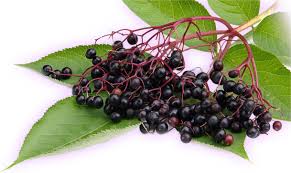
Elderberries are in season in the autumn and can be used for all manner of delicious things, from warming puddings to elderberry liqueur


Come autumn, the small purplish-black ripe berries hang prolifically in clusters in the hedgerows and are not grown commercially, so picking them in the wild is the only option.


The easiest way to remove the berries from the stalks is to strip them using the prongs of a fork


The berries are quite rich so I find they’re best mixed with other autumn fruits such as apples, pears and plums


make them into jams and chutneys, which have a wonderful fruity flavour, although the berries are low in pectin so need the addition of jam sugar or lemon juice to ensure a set.


Elderberry syrup, made by cooking the berries with water and sugar, straining, then boiling the liquid until reduced and syrupy


Elderberries can be used to make a liqueur in the same way as sloe gin


some people find that eating raw elderberries makes them feel nauseous


Dried Elderberries can also be added to muffins or pancakes for a berry flavor similar to blueberries but not quite as sweet


they’re very tart, but incredibly rich in antioxidants

#cupcakehour is on at 8 o clock every tuesday night at 8 o clock

@chefnoelk on twitter and @chefnoelkeane on instagram