Reflective by paul

12374821_1091230184243679_4322066539748750984_o.png

Round 2

As many of you know I recently did my second live feed from the sea shore as promised in the 1st feed. This time slightly more confident withy surroundings that I would have better reception and the feed would go uninterrupted. Being honest I prefer the shoreline foraging, something about the sea air I always leave refreshed from the sea breeze whether warm summer or bitterly cold winter.
My 2nd interview with the lovely Avril Allshire-Hawe of caherbeg free range pork and roscarbery recipes, was for me more enjoyable more relaxed I was less nervous about it, I felt better equipped to take on this interview. I discovered this jewel of West cork food a few years ago while on a trip with my college classmates. I thought this would be a great interview to do as it’s an artisan and award winning product. I could be in West Cork at any stage during the year as my fiancée is from there (@wattonarts on Instagram please follow she does some amazing drawings).
Also these products won an award at the Listowel food festival recently and are also developing a new product called billtong it’s a south African snack of of cured meat traditionally beef, it’s something I’m looking forward to its release but i know it wont be until it’s as good as they can get it, and are happy with it. Avril’s and her family’s enthusiasm shines through in all their products, taking these humble products and giving them the time care and dedication to the practice of perfection.  Available in SuperValu Tralee, Listowel, Dingle, with tastings regularly, my advice pick it up try it and you won’t go back.

Follow me @chefpaulc Instagram and Twitter
Like Avril on Facebook :Caherbeg free range pork and follow @RoscarberyReci on Twitter for more information

Sea purslane pickle

Pickling purselane

As I said in the live feed we were going to pickle some of the sea purselane.

Recipe for the pickle.
500ml water
500ml vinegar
250g sugar
20g salt

Optional
2 garlic cloves whole

Now the process is quite simple don’t think because chefs are doing it that is complicated

1: wash the purselane in salted water, pick out any dead leaves or miscoloured leaves, also the seaweeds that grow around them

2: pick through the purselane once washed and discard any heavy stalk as they will sour the pickle.

3: bring the water, vinegar, sugar and salt to a vigorous boil for 1 minute

4: place the picked purselane into glass jars with lids cover with the pickle liquid while still hot

5: leave to cool before putting on the lids.

You can use this recipe to pickle anything you want from carrots to cucumbers and onions.

This will hold indefinitely as long as the pickle is not contaminated use tongs/tweezers or gloves when taking the purselane from the liquid once pickled.

We served this alongside a mix of the other foraged greens with fresh unsmoked haddock.

Tip:
Carrots use a veg peeler and peel to the core
Onions thinly slice on a mandolin (handheld slicer)
Cucumber as above

Follow me @chefpaulc on Twitter and Instagram, and @chefnoelk on Twitter and @chefnoelkeane on Instagram

Dill pickles

20170105_193614

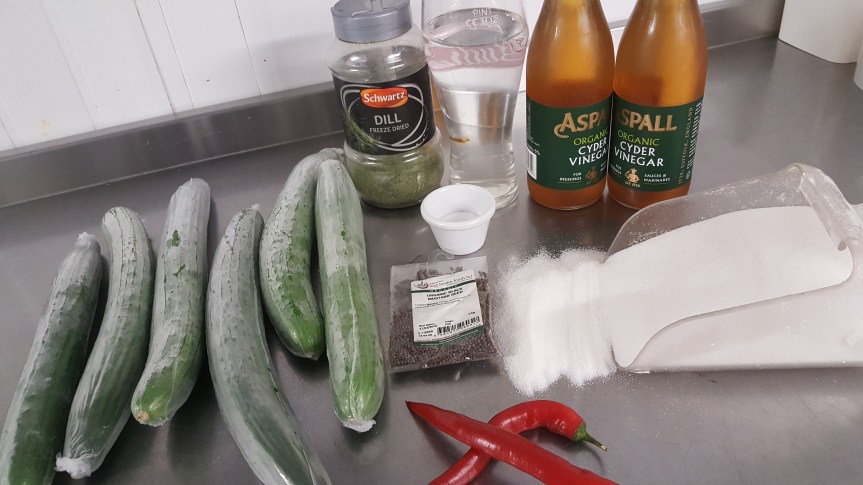
I prefere apple cider vinager for picking but malt vinager works just as well

For these it is equal parts vinager and water and 1/3 of that sugar a little salt

As for the other flavours here im using chilli , black mustard seed and dill

But you can use any flavours you like and play around with differant flavour mixes

20170105_195554

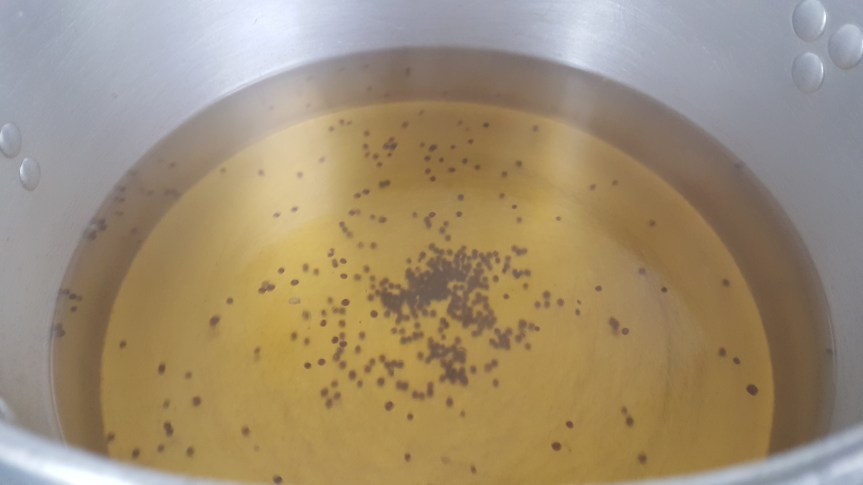
Bring the vinager sugar and water to the boil with mustard seed and cool a little

20170105_195817

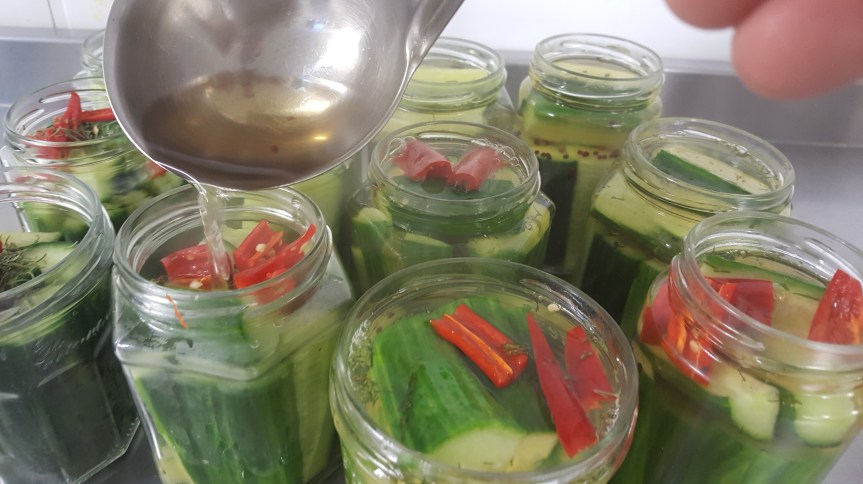
You can slice the cucumbers any way you like add the dill and chilli.

Using very clean jars (i steam mine just before using) or place in a pot of boiling water .

Pour the mix into the jars while warm and cover the cucumbers

img_t2mvzi

Put the lids on but not tighty and leave over night then , seal tightly and place in the fridge . After making these you will never go back to shop bought dill pickles again

Follow chef noel on twitter @chefnoelk & instagram @chefnoelkeane

Kevin on gin

Gin.


The revenge of Bertha

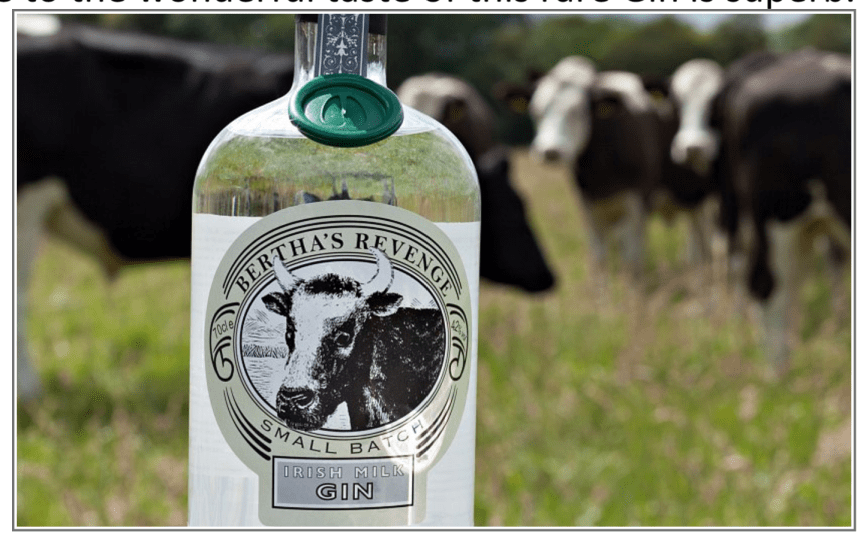
After Gin has taken the world by storm I’ve noticed a few brewers are popping up in Ireland. One of my personal favourites to sell at the moment is a local Gin called Bertha’s revenge. Which is a Gin that uses cow’s milk in the brewing process. The gin is brewed on the far side of Cork in Ballyvolane. Everything from the bottle to the wonderful taste of this rare Gin is superb.

20170104_222226

This is a piece from their own website on the thought and care that are put into things by the people that run the company.

THE BEEF

We are using whey alcohol as our base spirit to make a truly unique irish gin


(most spirits are made using barley or wheat grain spirit). Milk from Irish dairy farmers is separated into curds and whey (Little Miss Muffet and her scary spider); curds go on to make cheese and the whey has traditionally been regarded as a waste product.

Special yeasts are added to the whey to convert the milk sugars into alcohol, producing a very high quality whey spirit. We are then distilling this by hand with 18 different botanicals (locally foraged and grown where possible) and our own pure natural Irish spring water to produce Bertha’s Revenge gin. We are the first artisan distillery to produce small batch milk gin from whey alcohol.

For me this is what it is to be local, this is what is to be Irish.

Kevin on twitter @parsnip78

Sid on childhood diet

2016-10-11-11-46-10


CHILDHOOD BEHAVIOUR & DIET

“THE KID LIFE CRISIS”


It’s both common sense and scientifically proven, that if our bodies receive optimal nutrition, they function at their best. However, it’s the connection between diet and brain function that we need to be more aware of. In particular with our children as their behaviour can be very much determined by what they eat and drink.

Childhood should be happy, fun and carefree, however something far more sinister is happening with many young children. Learning difficulties, behavioural issues and social inadequacies are all rapidly on the rise. Recent studies have shown that a quarter of all children between the ages of eight and fourteen ‘often’ or ‘always’ feel stressed. Childhood depression and even suicide are also rapidly increasing.

Surely this can’t be right, can it?

From mild Dyspraxia at one end of the spectrum, to ADHD and severe Autism at the other, all of us can relate in some way to how a family can be impacted by such a disorder.

Let’s look at some of the symptoms that many kids exhibit daily:

Poor coordination, inability to concentrate, mood swings or tantrums, inappropriate emotional reactions, fatigue, digestive problems, poor eye-to-hand coordination, reading and writing difficulties.

In the past, children with such symptoms were labelled as slow learners, weepy & fragile, spoilt rotten or just out of control, but then again that generation of parents and teachers had never heard of ADHD or Dyspraxia or any other behaviour disorders for that matter.

So what do they all have in common with the brain?

Our brain relies entirely on the nutrients with which we feed it. Foetal and early childhood development, are profoundly impacted by the nutrients we supply to the brain. Modern day diet and lifestyle leave us susceptible to nutrient deficiencies. Particularly the junk food diet of high trans fats, high-refined sugars, processed foods laced with artificial colours, flavour enhancers and preservatives. These foods have little in the way of nutritional benefit and are virtually absent of vital nutrients for the brain.

E.F.A. (Essential Fatty Acid) deficiency is common with ADHD. Symptoms include excessive thirst, dry skin, eczema and asthma. Males have a higher E.F.A requirement than females so it’s interesting that ADHD affects four times more boys than girls.

Zinc deficiency is also common leading to a lack of digestive enzymes being produced, which can cause gut permeability or ‘leaky gut’. This is partly the reason for gluten and casein (proteins found in wheat & dairy) aggravating the already fragile biochemistry of a child with ADHD.

This is just a snapshot at how diet and nutrient deficiency can alter brain chemistry and unfortunately lead to a whole host of disorders. If you are a parent of a child with such a disorder and sometimes the attached stigma, then surely dietary intervention and nutritional supplementation are worth looking at.


Pauls review

Live and interviews 

In the past week I have went live on Facebook for the first time and also conducted my first interview. Live from almost the forest floor was  intended to be done in the forest in a spot that I am usually able to make a call or text but for some reason I couldn’t connect to Facebook whatsoever or even make a phonecall, so a quick scramble back to the cat and off down the road a number of messages come through “are you going live?? When you started?? Will I delete the post??” Meanwhile I’m shaking waiting for the phone to connect and load so I can go. I start and draw a blank what to say (argh). Go live with a group of people erecting a map of the area showing the pathways through the forest. Afterwards looking back at the video I did not expect the amount of views so quickly I have videos on YouTube with 80 views and less and this reaches 300 within a few hours I was shocked to tell the truth. 

Next up was the interview with a good family friend, and a former coach of my time in juvenile athletics, safe to say without him I wouldn’t have started at all. Willie Reidy and the Castlisland community garden, kindly agreed to meet with me, to answer a few questions about the project and how it got started and what services they provide to the area, in the form of gardening courses, growing on ridges and seasonal produce. I saw some the plans for the future and the variety of plants, herbs, fruits and vegetables being grown in this patch of land. I intend to return in spring and see a more vibrant area with more growing and more peopke to interact with. 

I’m looking forward to my next outing to Roscarbery recipes with Avril Allshire-Hawe, and a live coastal forage early in the new year.

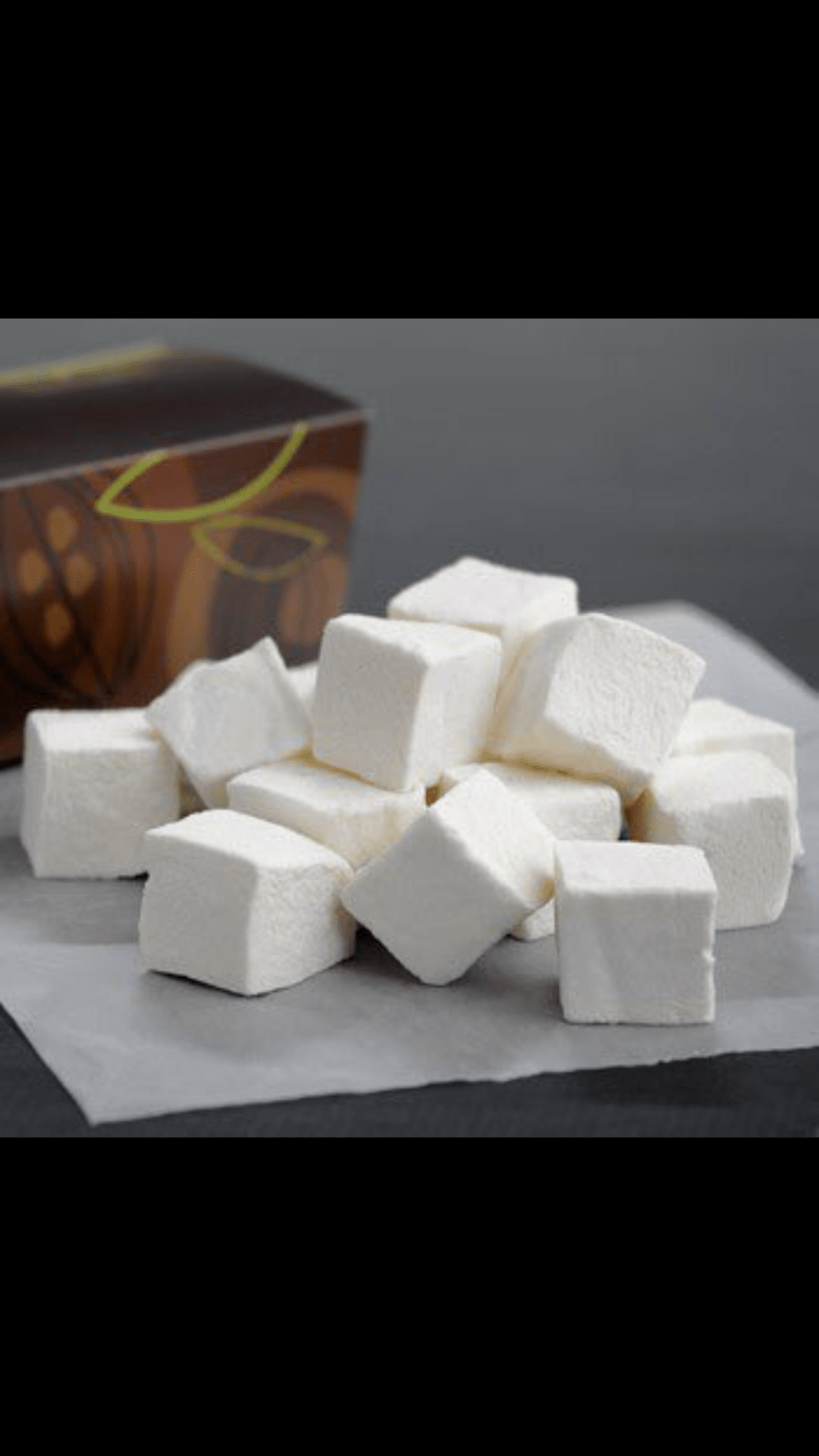
Tips on marshmallows

screenshot_20161206-133131

Making marshmallows is a quick and easy process, but it involves specific timing and extremely hot sugar, so it helps to get all the equipment ready

Start by using a pastry brush to lightly brush your pan with vegetable oil then use a fine-mesh sieve to dust the pan with confectioners’ sugar

make sure the  mixture is thick and forms a thick ribbon when the whisk is lifted

using wet fingers to spread and smooth it into the pan

our mixture should stand for at least four hours or overnight

The next step requires patience: Let the marshmallows stand at room temperature until they are no longer sticky and you can gently pull them away from the sides of the pan

While it’s not required, you can cover the pan of marshmallows loosely with tin foil.but never cling film

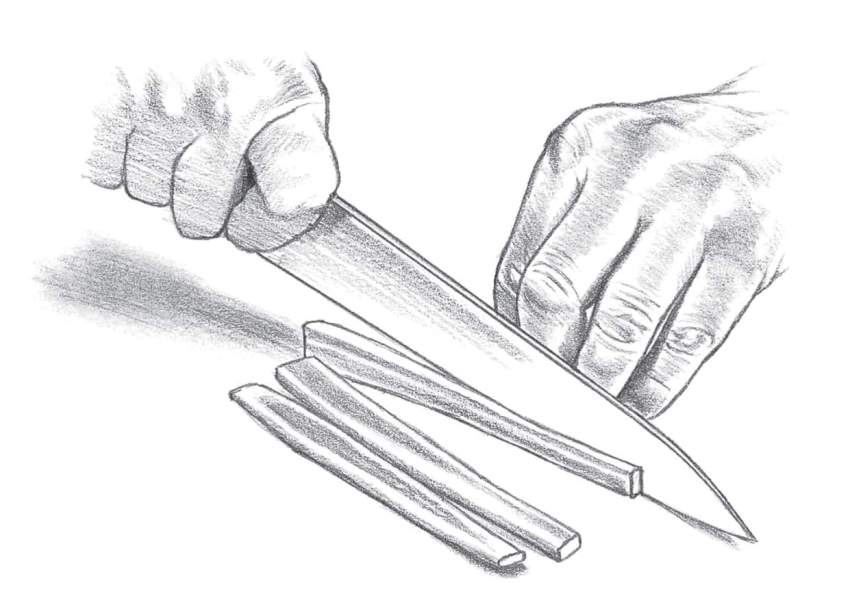
When cutting marshmallows, a long thin knife, such as a 6-inch utility knife, makes the process effortless, but a chef’s knife also works

Once the squares are cut, coat them in additional icing’ sugar, shaking off any excess.

Store homemade marshmallows, layered between sheets of wax or parchment paper, in an airtight container


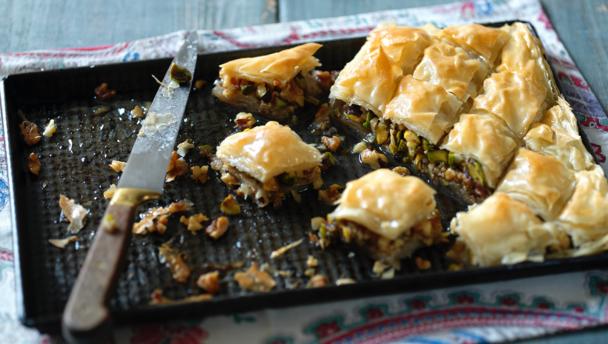
Baklava

baklava_80243_16x9

Ingredients

  • 18 sheets ready-made filo pastry(unwrap and keep under a damp tea-towel until you are ready to use)
  • 150g/5oz unsalted butter, plus extra for greasing
  • 200g/7oz mixed pistachio and walnuts, roughly chopped
  • 2 tbsp granulated sugar
  • 1 tsp ground cardmon

For the syrup

  • 300g/10½fl oz granulated sugar
  • 250ml/9fl oz water
  • 1 tbsp lemon juice
  • 1 tbsp orange blossom water
  1. Preheat the oven to 180C/350F/Gas 4.

  2. Grease a 17cm x 28cm (11in x 7in) baking tray with butter.

  3. Melt the remaining butter in a saucepan over low heat or in a microwave.

  4. Lay 10 sheets of filo pastry, one at a time, into the tray, brushing each sheet with butter before adding the next.

  5. In a clean bowl, mix together the nuts, sugar and cardamom and spread the mixture over the pastry in the tray.

  6. Layer up the remaining sheets on top of the nut mixture, brushing each sheet with butter, as before.

  7. Using a sharp knife, cut a criss-cross pattern into the top layers of the pastry.

  8. Place baklava in the preheated oven for approximately 20 minutes, then decrease the oven temperature to 150C/300F/Gas 2 and cook for an additional half hour to 40 minutes, or until the pastry is slightly puffed and golden on top. Do not allow the top to burn. Remove and allow to cool slightly.

  9. For the syrup, heat the sugar, water, lemon juice and orange blossom water in a small, heavy-bottomed saucepan and cook over a medium heat until the sugar has melted and a syrup is formed. (This will take about 20 minutes or so.)

  10. Pour the syrup into the slits in the baklava and leave to cool. Cut into small diamond-shaped pieces and serve.

    follow chef noel on twitter @chefnoelk & instagram @chefnoelkeane

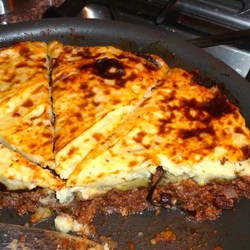
Moussaka

1109695

moussaka

4 tbsp olive oil

3 medium or 2 large aubergines, sliced

1 large onion, finely chopped

4 cloves of garlic, finely chopped

1.5 tsp cinnamon

1 tsp dried oregano

500g minced lamb

2 tbsp tomato purée, mixed with 150ml water

150ml red wine

Small bunch of flat-leaf parsley, chopped

For the bechamel:

500ml milk

60g butter

60g plain flour

50g kefalotyri or pecorino cheese, grated

2 eggs, beaten

Nutmeg, to grate

Pre-heat the oven to 180C. Cut the aubergines lengthways into 0.5cm slices, and put them on to oiled baking sheets. Brush with olive oil and season. Bake for about 25 minutes until soft, golden and floppy.


2. Meanwhile, put 2 tbsp olive oil into a large frying pan over a medium high heat and cook the onion until soft. Add the garlic, cinnamon and oregano and cook for a further couple of minutes, then stir in the lamb. Turn up the heat slightly, and brown the lamb well, cooking until the mixture is quite dry. Stir in the tomato and wine, bring to a simmer, then turn the heat down low and cook for 30–40 minutes until most of the liquid has evaporated. Season and stir in the parsley.


3. Meanwhile, make the bechamel. Bring the milk to just below boiling point, and melt the butter in another saucepan. Stir the flour into the butter and cook for a couple of minutes, then gradually whisk in the hot milk. Cook until you have a thick sauce, then stir in the cheese until melted. Take off the heat and allow to cool slightly, then beat in the eggs,


4. Arrange a third of the aubergines in the base of an oven dish, and top with half the meat. Repeat these layers, then finish off with a layer of aubergine, and top with the sauce. Bake for about 45 minutes until well browned