This thing called……food
Race religion colour creed it matters not we all have to stop to eat every day but how we eat is a choice I would much rather dine like a king than drink like a pirate
Chefs are everywhere these day tv magazines books food festivals but we have never eaten worse
Young chefs I use this lightly are in a rush to be the next overnight tv star or want to open their own restaurant but without the years of training the top chefs have behind them or the reality of the hard work ahead they fail or give up
In a world of insta fame and inta gratition everything is disposable
Food has never been faster or more talked about but the knowledge of it so unknown
If it comes through your car window or goes ding in the microwave it is not food it is a food like substance. More people than ever eat out, but few dine out, never trying something different or new as chefs we hear this a lot
I wouldn’t like that
Have you eaten it before?
No but I would not like it
It may be the best thing you have ever eaten or tried great restaurant are just that GREAT and for a good reason years of training to get the best taste flavour texture from every ingredient
Don’t live the same year 75 times and call it life try new things eat different things at least try
Blackberries wild garlic and wild leek are wonderful and free but few could find if they were standing in a field full of it but kafir lime leaves tofu and quinoa they know superfoods super diets
Chefs are too blame as well putting these trendy ingredients on menus following trends instead of setting them morally corrupt ingredients the true costs of few know about or care
Supermarkets recalling produces from their shelves from countries afar
Horse meat in mince bse swine flu bird flu all from other countries recalled berries from Africa
Strawberries in janaury
we have lost our connection with food with the seasons of food
flavour is all but gone we eat food with little flavour now
food in season is much more it takes us back to our childhood the summer strawberry
the flavour and smell of it
warm tomatoes off the vine with a little salt
we have to return to this for our own sake and the sake of our children

tempering chocolate always works best at normal room temperature


James Mccarthy
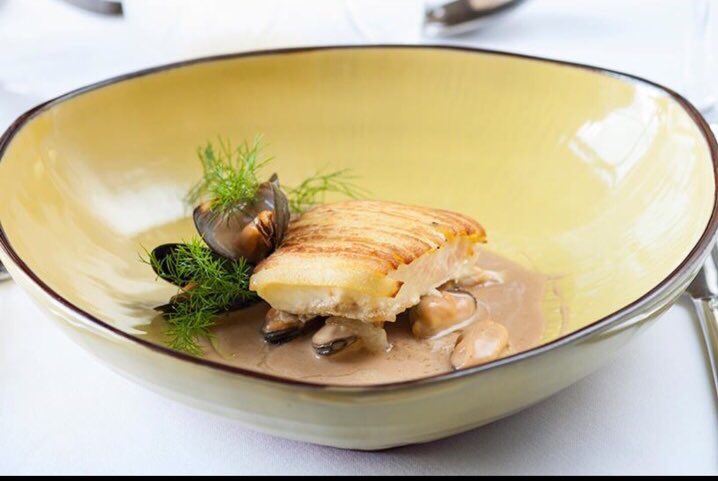
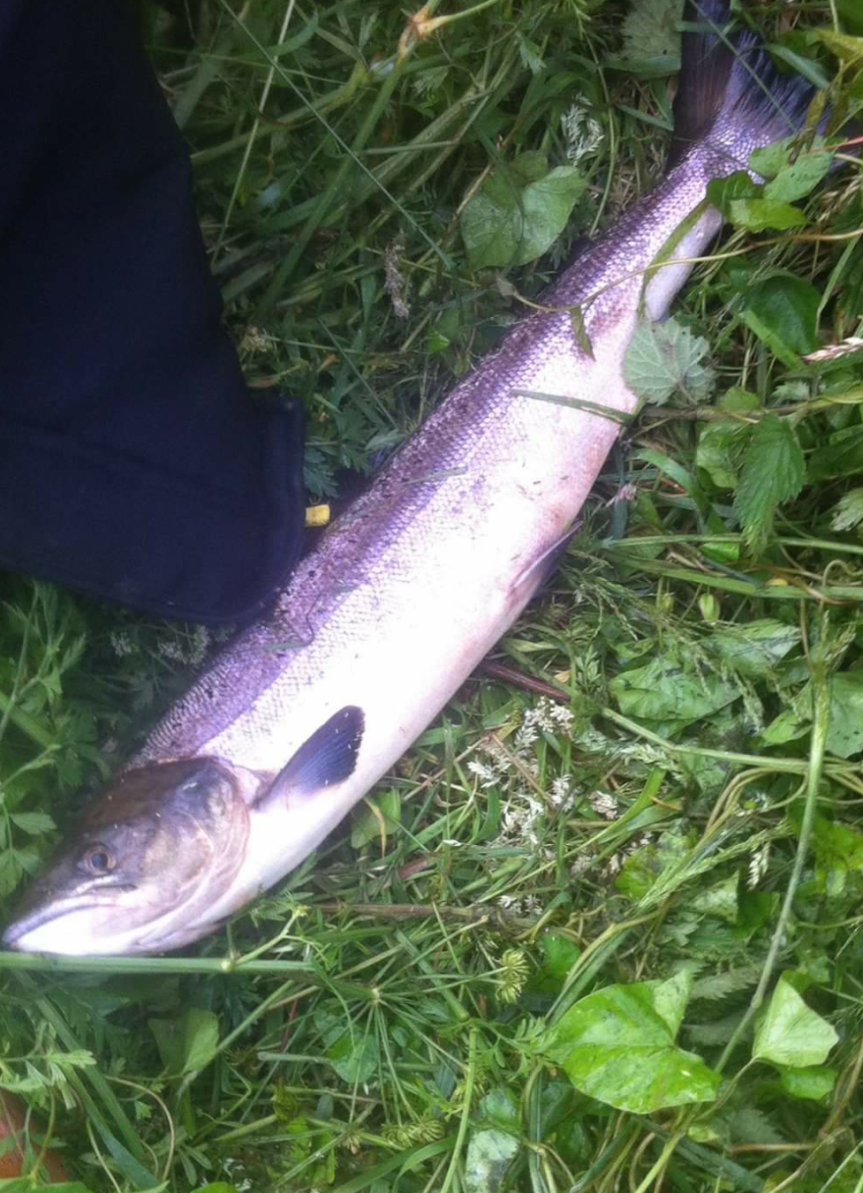
So the blog from me today is about salmon .I’ll start off with the life cycle of a salmon it starts at Stage 1 egg Stage 2 alevins Stage 3 fry Stage 4 parr Stage 5 smolt Stage 6 adult grown salmon Stage 7 kelts ( after spawning ). So it takes a salmon around two years or more to fully mature at sea until they return to Irish rivers they travel thousands of miles to make this journey home to spawn. They have to deal with escaping from nets at sea to river pollution and of coarse river fishermen who to be honest do the least damage to the salmon population. I caught my first salmon of the season a few days ago and when I landed the salmon I looked at it and taught about the life it had and the respect it gets in the kitchen from scaling it to taking out every last bone to filleting it and wondering what’s the head chef dish going to be next for this salmon. whats is its final resting plate going to look like.


never melt butter in the microwave it destroys it
to check butter at room temperature it will bend without cracking
unwrapping room temperature butter leaves a residue on the wrapper
if the mixing bowl is warm put it into the freezer for 5 minutes
for flakier pastry put your utensil’s in the fridge before use
you fingers melt butter use a knife to cut it
for pastry grate your butter before mixing
when creaming butter do it at a low speed to avoid heating up
cold butter wont aerate properly


After about two hours, the cabbage should be soft and limp, and the volume reduced in half. (If yours is still firm and full, come back to it after another hour or two.)
Strain the cabbage and rinse under running water to remove excess salt
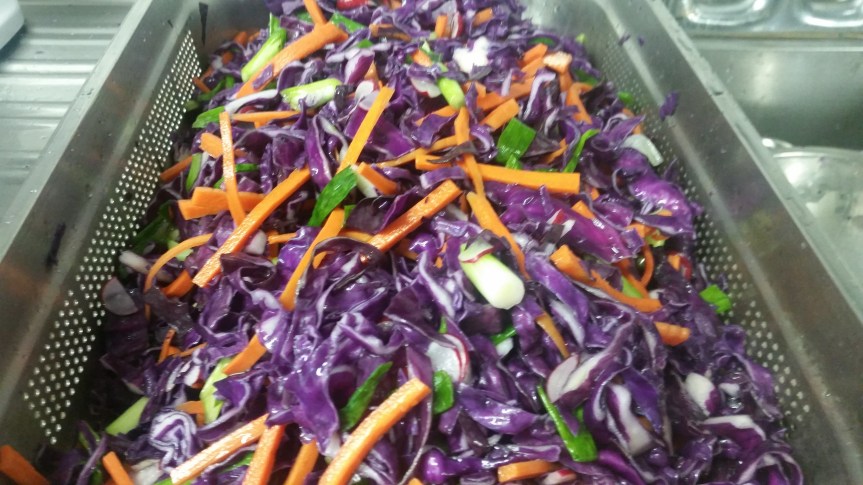
add the carrot spring onion, mix well

in a blender add the

Pack the kimchi into jars, leaving 1 to 2 inches of headspace. The veggies will expand and release more liquid as they ferment, so you don’t want to overfill the jars.
Tamp down the veggies with the back of a spoon to fully submerge them. I find that there’s always enough liquid in the jars to keep them submerged, and since the liquid is more of a paste, the veggies don’t float to the top as in other ferments

Every day, press down on the veggies with a spoon to expel more liquid and make sure everything is shipshape. A proper ferment should have no mold and no off smell.
After three days, you can start tasting the kimchi; refrigerate when the flavor has fermented to your liking. It should take on a spicy, sour taste. Some people like less sour and some like more sour, but you should definitely wait for your kimchi to take on a noticeably tangy taste if you want all the beneficial Lactobacilli in your ferment. place in a fridge and enjoy
It felt great when Noel asked me to write something for his blog. I love food with a passion especially dishes cooked using local ingredients where is possible but dishes I love to cook are Indian and Asian for different combinations to create great flavours. I think this stems a bit from my dad who opened on the sixties the first Chinese restaurant in Ellesmere Port although we have no Chinese heritage. Unfortunately he had a great foresight to see that Asian restaurants were becoming extremely popular but not the foresight to see that his business partner was not a good choice and he was forced to sell the restaurant. This was my first experience of restaurants and kitchens and as youngster I got to taste what customers wanted in front of house and the traditional food cooked by the chefs for themselves. One of the first lessons I learnt was preparation was essential as with Chinese food the cooking can be very fast and the second lesson was that the Chinese cook pork belly very well.
My introduction to Indian food came while I was working in the Sudan and our house manager was from Goa. He showed me some great dishes and a great insight into spices and how to achieve great flavours to which I was grateful. Again the lesson of preparation was essential to help achieve great food . So I have included two dishes that show that preparing ingredients can produce fabulous flavours on a plate. The first being a traditional chicken korma and I assure you if you try this dish you will never buy a sauce from a supermarket again.

TRADITIONAL CHICKEN KORMA
SERVES 4
Ingredients
1.5 kg of chicken thighs deboned and skin removed
For the coconut paste
125 grams of fresh coconut flesh or frozen grated
50 grams of blanched almonds roughly chopped
4 tsp of white poppy seeds
For the masala
1 medium onion roughly chopped
2 tbs of vegetable oil
6 cloves
6 green cardamon pods bashed
3.5 cm cinnamon stick
1 tsp salt
1/4 to 1/2 tsp chilli powder
200ml of water
125ml of thick yogurt mixed with 125ml of water
3 black cardamon pods seeds only crushed
Method
Blend all the ingredients for the coconut paste in a mini processor add a touch of water to help it bind. Heat the vegetable oil in a heavy based wok or saucepan over a medium heat. Add the cloves, green cardamon pods and cinnamon stick and fry for 30 seconds. Stir in the onion and salt and fry for 10 minutes till the onion just about browns, add the chilli powder. Then add the chicken pieces and fry to brown the chicken, add the water and the coconut paste bring to a simmer and cook for 10 minutes. Take the pan of the heat and stir in the yoghurt and water mix then return to a gentle heat and cook for 30 minutes uncovered. Make sure the mixture does not stick to pan add water if needed. After 30 minutes stir in the black cardamon seeds and serve with Basmati rice.
My next dish really needs preparation because the cooking of the prawns is so important you can’t start looking for ingredients or the prawns will over cook and spoil the dish. The dish has origins from Cambodia I have just put my twist on it but my friends have cooked my recipe for their friends and have had excellent feedback. It’s a great dish once prepared is so quick to cook so you don’t keep your dinner guests waiting.
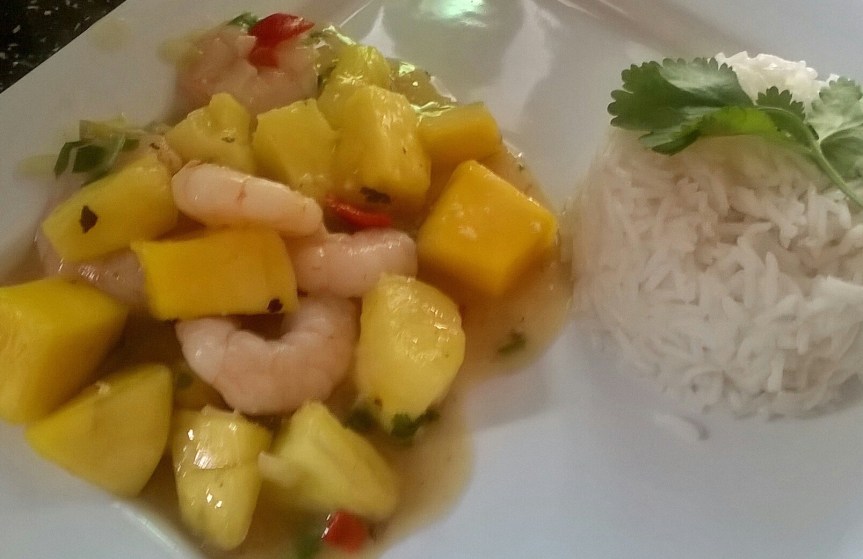
PRAWN, PINEAPPLE AND MANGO CURRY
Serves 4
INGREDIENTS
1 firm mango but not over ripe
1 Tsp corn flour
1 medium sized pineapple
2tbs of vegetable oil
3 cloves of garlic finely chopped
100 gram of shallot finely chopped
1 red birds eye chilli (more if you want more heat)
500 grams of fresh king prawns peeled
Juice of one lime
1tbs of fish sauce
1tbs of light soy
Hand full of fresh coriander chopped
White pepper to season
METHOD
Peel and cut the mango into 10cm squares and do the same with the pineapple. Mix the corn flour with a touch of water and set to one side. Heat the oil in a wok to a medium heat add the garlic and allow 1 minute to sizzle till it just changes colour but does not burn. Then add the shallots and cook for 1 to 2 minutes, add the chilli and prawns turning the heat to high and cook till the prawns just turn pink about two minutes. Add 2tbs of water, lime juice, fish sauce, light soy and the corn flour, stir fry for a few seconds just to thicken the sauce. Then add the pineapple and mango and cook just too warm through. Stir in the coriander and season with the white pepper. Serve with Basmati rice.
I hope you try these two dishes but hope that you take on board “It’s all in the preparation” and again I thank Noel for letting me write for his blog a great chef who is inspirational to many.
many thanks to David for a brilliant piece . you can follow david on twitter @Diddy186Davis for much more