

Number 21 listowel
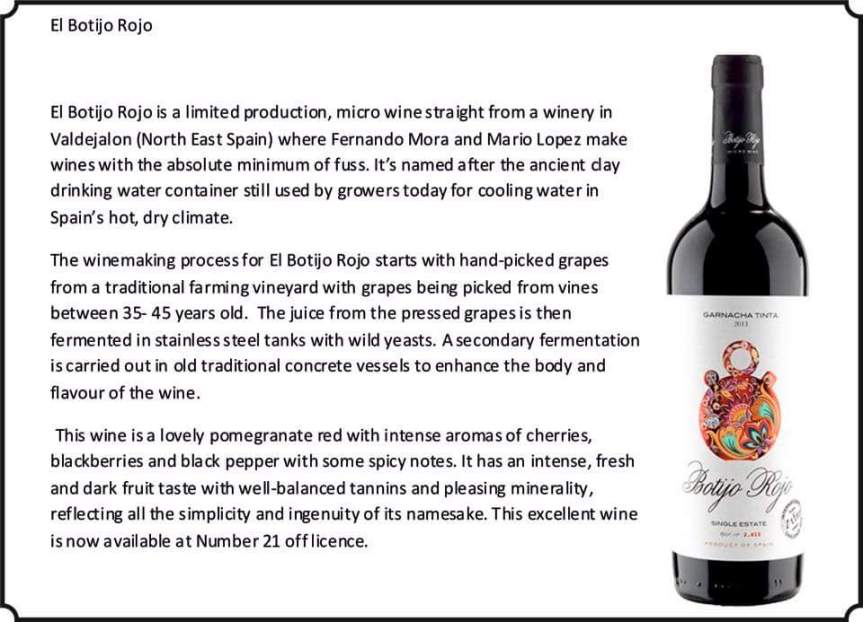
Turmeric by sid
Sid Sheehan, Chef, Nutritional Therapist and CNM (College of Naturopathic Medicine) graduate writes about the medicinal benefits of Turmeric.
Sid offers a range of nutritional advice and gives practical demonstrations on how to implement these changes into your diet at his Cookery School in Listowel Co. Kerry.
More information on him and the courses he runs can be found at http://www.nourishbynature.ie
The Power of Turmeric
Turmeric is one of nature’s most powerful painkillers and anti-inflammatories, or rather the chemical compound Curcumin, which is its key component.
This yellow flowered plant is a member of the ginger family. It is grown in Indonesia, China, India and other parts of the tropics, where the dried aromatic root like stem is ground to form a powder. This deep orange yellow powder is commonly used as a spice and one of the main ingredients in curry powder. Along with being used as a preservative, colouring and flavouring agent, turmeric has been used for over 4000yrs in Indian and Chinese medicine to relieve conditions ranging from flatulence and digestive disorders to menstrual irregularities. It is now widely recognised in the West as a powerful anti-oxidant and anti-inflammatory agent.
How it fights Inflammation
Inflammation is the body’s attempt at self-protection. When something harmful or irritating affects a part of our body there is a biological response to protect the affected area.
This immune response to a whole host of injuries, infections, illnesses and general disease of any part of the body is characterised by heat, redness, swelling and pain in the affected area. This complex protective mechanism can however become self-perpetuating whereby more inflammation is created in response to the existing inflammation. It is at this stage that we need to treat the inflammation by attempting to reduce it with the use of anti-inflammatory drugs.
Curcumin works as a powerful antioxidant. Antioxidants scavenge free radicals, these harmful molecules damage cell membranes and cause cell death. In addition they inhibit oxidative DNA damage and relieve oxidative stress. Curcumin is able to regulate the foundation of nitric oxide which is carcinogenic and plays a key role in inflammation.
As an anti-inflammatory, Curcumin works in a similar way to non-steroidal anti-inflammatory drugs (NSAIDS) by inhibiting the activity and synthesis of specific enzymes. Clinical trials show that at dosages of 400-1200mg/day, curcumin is comparable to ibuprofen.
Curcumin also acts as a choleretic, that is, a substance that increases the volume of bile and amounts of solids secreted from the liver.
Through its various mechanisms, this spice supports colon health, exerts neuro-protective activity and helps maintain a healthy cardiovascular system by providing significant protection against damage of the inner lining of the blood vessels.
Extensive lab tests have shown that curcumin interferes with melanoma skin cancer cells causing them to self-destruct.
How best to get Turmeric into the diet
If you can manage to get your hands on fresh turmeric root, then that’s fantastic. You can use it grated or finely chopped in soups, stews and curries. Chances are though that you will find it in its powdered form more easily. The bio-availability of turmeric is greatly increased when co-administered with piperine, a powerful component found in black pepper. Always use a good twist of freshly ground black pepper when cooking with turmeric, to enhance its healing benefits. I always add a teaspoon of ground turmeric to a breakfast smoothie in the mornings
Recipe for Anti Inflammatory Breakfast Smoothie
200mls coconut milk
1 Banana
½ ripe mango
1 tsp ground turmeric
½ tsp cinnamon
¼” slice fresh ginger (peeled and chopped small)
Place all ingredients in blender with some ice and blend until smooth, this will make approx. 500ml smoothie.
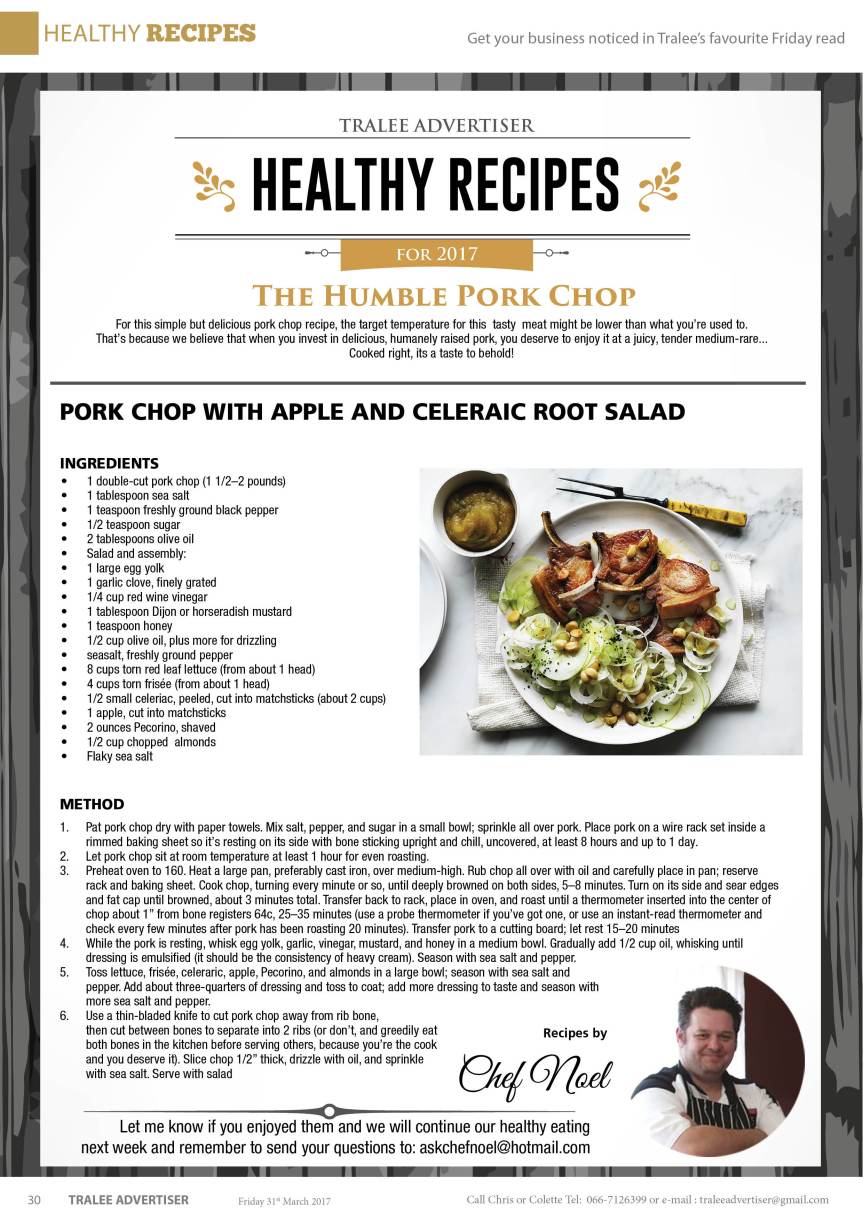
Tastest pork chop ever
Im on ywitter @chefnoelk & instagram @chefnoelkeane and our facebook page tralee culinary gangsters
Redbreast 12 year old

Redbreast 12 Year Old
Red Breast 12 year old was first launched in 1939 as the brand name given to the pot still whiskey supplied by Jameson to whiskey bonders. This was before bottling at the distillery became the norm in 1968. Stocks of whiskey in bonders’ stores petered out, and thus Redbreast all but disappeared until its re-launch by the distillery in the 1990s as a single pot still whiskey. This pure pot still Redbreast is a very special whiskey within the Irish Distillers fortified as it’s the only 12 year old whiskey is matured for a minimum of 12 years in sherry casks and Bourbon barrels. Like all good pot still whiskeys, it is strongly flavoured and assertive, making it a rare treat for the connoisseur.
Redbreast 12 Year Old was awarded the overall trophy for the second consecutive year in the International Wine & Spirits competition.
Nose
A pot still nose offers a very inviting combination of resin and linseed, sherry and cream soda.
Taste
The use of unmalted barley in this pot still whiskey gives it a hard edge that snaps the taste buds into life.
Finish
Long and lingering with some classy sherry rounding off a magnificent performance. This excellent whiskey is available at Number 21 off licence.
Pineapple mint
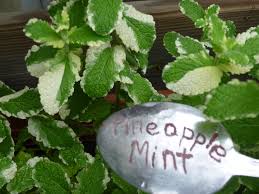
Pineapple mint is a form of mint its part of the apple mint family.
Its slightly ovate leaves are bright green and bordered in a creamy white margin. They are deeply veined and coarse in texture with a layer of tiny hairs.Pineapple mint is a highly aromatic, with tropical and minty citrus taste.mint is available year-round, with the peak of this mint coming in the summer.you can use this mint in salads .Pineapple mint pairs well with lamb and chicken. Add a few springs to your marinade and give your meats a unique flavor to your dish. You can’t really cook it as it well bring out a very bitter taste in the end.
James is on twitter @boilingjames
Beetroot by sid sheehan
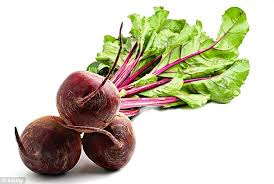
Beetroot
Most people would agree that one of the most prevalent words in nutrition is superfood. One vegetable that is certainly worthy of this title is the humble beetroot. Well known for its purple-crimson colour, beetroot is a highly nutritious food with many long-recognised health benefits.
The rich, red colour of beetroot is due to pigments called betalains, of which there are two types – betacyanins and betaxanthins. These pigments possess potent antioxidant and anti-inflammatory properties, and usually also contain nitrate. Recent studies have found that nitrates in beetroot have a beneficial effect on the cardiovascular system.
The antioxidant compounds found in beetroot are reported to have health promoting properties. Studies have demonstrated beetroot’s ability to increase levels of important antioxidant enzymes, such as glutathione peroxidase, one of the most important antioxidant enzymes.
As well as being a rich source of antioxidants, beetroot also contains good levels of many nutrients, including folic acid, vitamin B6, fibre, manganese, potassium, vitamin C and iron. In fact, beetroot and beetroot juice is a traditional home remedy for iron-deficiency.
Beetroots are also a source of betaine (known as trimethylglycine or TMG), a substance known for its ability to lower homocysteine levels, thereby supporting cardiovascular and cognitive health. The fibre found in beets has also been shown to support healthy cholesterol levels.
The versatile beetroot can be used raw in salads, but is equally delicious roasted or made into soup. It’s become very fashionable to bake with beetroot too – look out for recipes like beetroot cakes and muffins. Using beetroot juice or dried extracts of beetroot are simple ways of getting the benefits of this health-promoting vegetable.
• Cardiovascular Health
• Cancer Fighting
• Antioxidant Rich
• Endurance Sports
• Detoxification
Sid sheehan runs nourish by nature cookery school in listowel . Check out their web page, and facebook , twitter
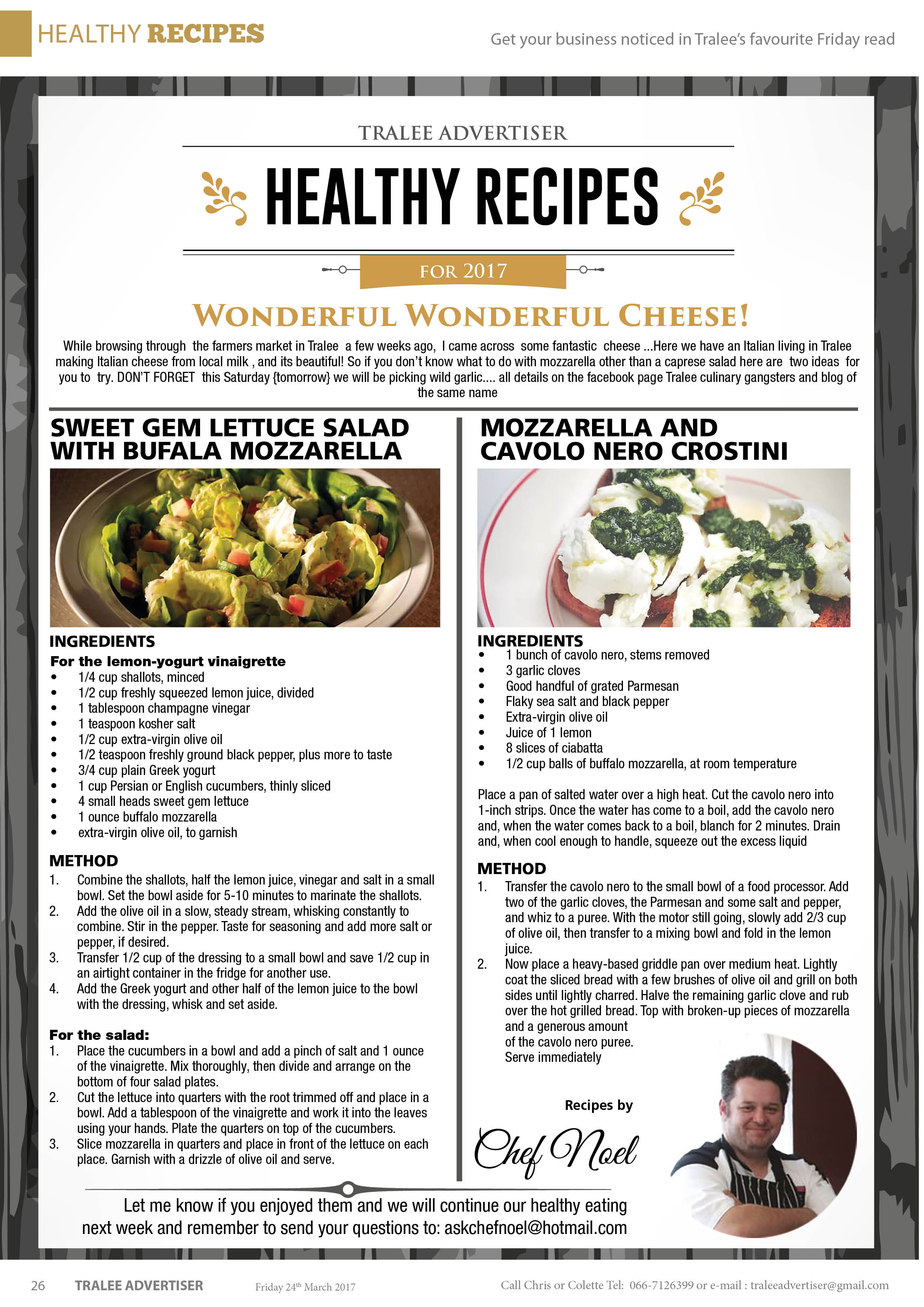
Mozzarella
Chef noel on twitter @chefnoelk & instagram @chefnoelkeane
Kevin thinking meat

EGGS by paul

Eggs
Eggs are i believe the most underrated and unappreciated items in every cupboard or fridge or wherever you store the carton of eggs. They can be used for breakfast, lunch, dinner and supper, eggs fit seamlessly into any of these as part of the dish or as a dish in their own right. Aside from this they are also a staple in the baking of bread and pastry.
I would like to acknowledge all those people with chickens or ducks roaming around the back yard or farm, for not eating hg walking roast of the farmyard, to collect each day the eggs to be used i the kitchen.
I love a poached egg with thick cut rashers for breakfast with hollandaise sauce ( egg yolk, butter, lemon juice and salt). For lunch a 3 egg omelette with onion, bell pepper, chorizo a quick tasty lunch that fills any void before dinner. Now here’s where i use eggs a component to a larger meal with salad leaves and a poached egg to dress a salad instead of an oil or mayonnaise based dressing.
For deserts of course eggs are an essential part of many deserts from custards, to meringue to the pastry for a good apple tart.
There is debate about how to store eggs in the fridge or in the press. I maintain its best to keep them out of the fridge but away from direct sunlight. Most recipes work best when the egg is at room temperature unless specified in the recipe.
Follow on Twitter and Instagram @chefpaulc. Follow our Facebook page Traleeculinarygangsters.com
 traleeculinarygangsters