guest blog allan maynard

halibut

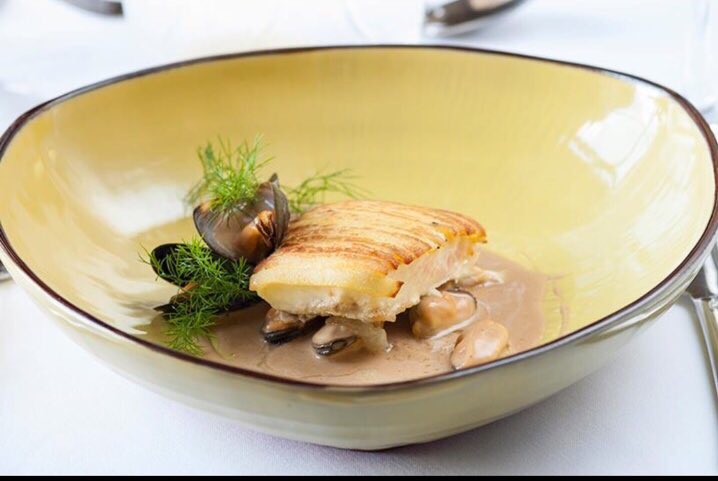
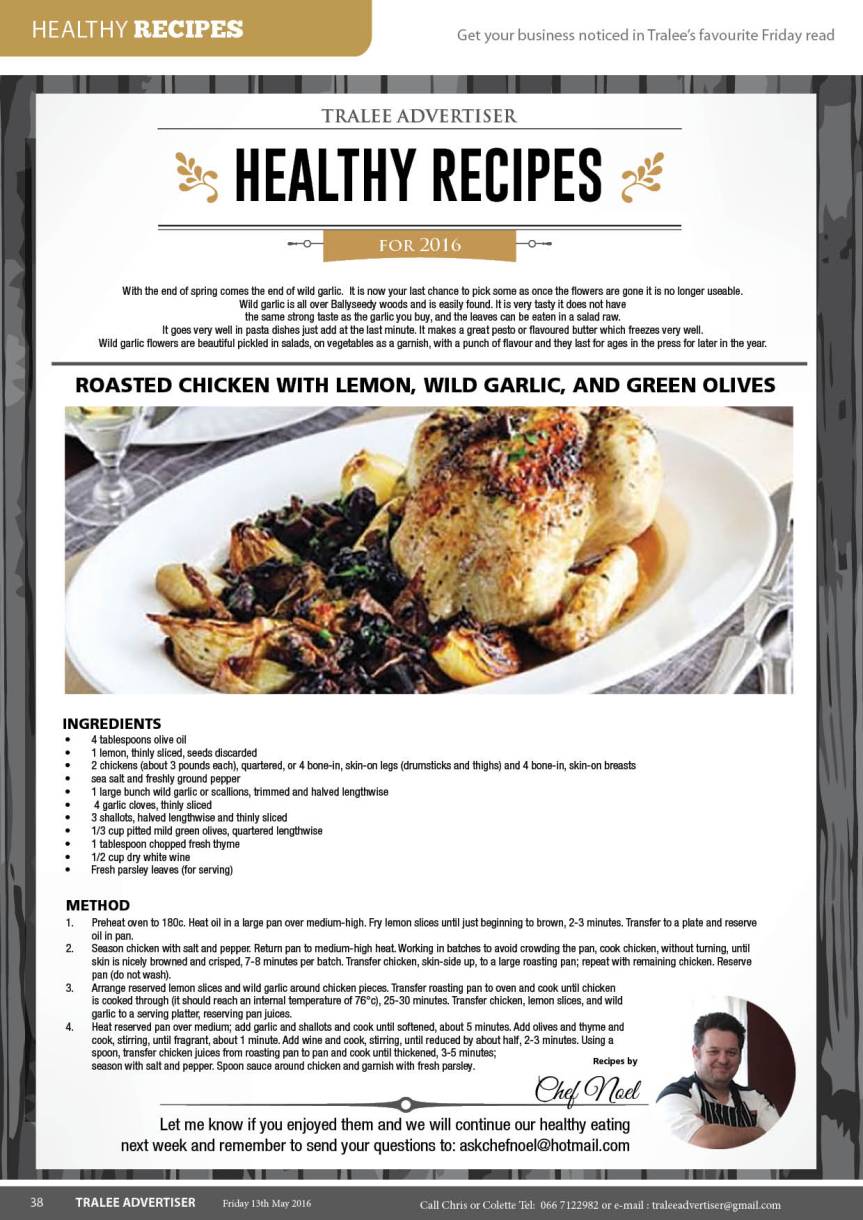
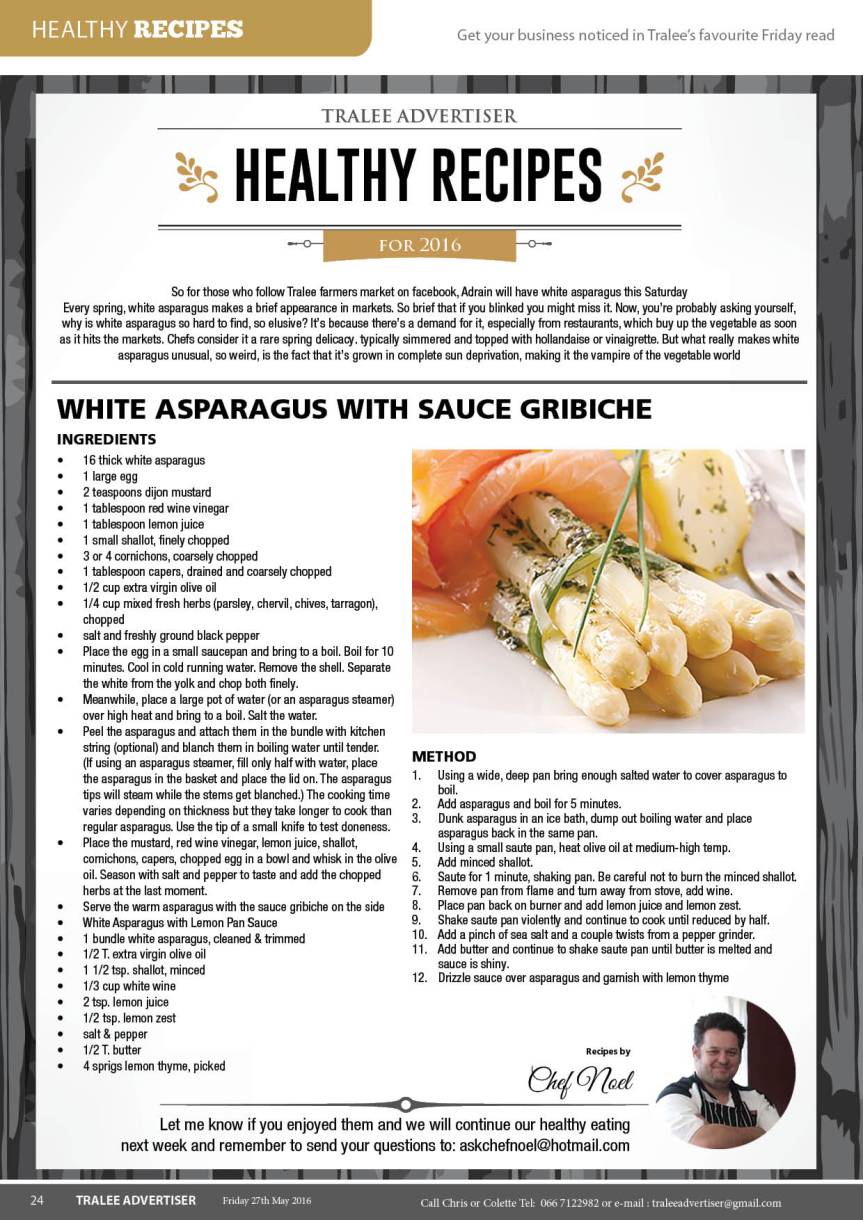
Potato-crusted halibut

Cider sauce

  • 300 ml of bulmers
  • 150ml of veal stock
  • 200ml of double cream
  • salt to season
  • 250 g of fresh mussels, or mussel meat
  • vegetable oil
  • salt
1
Begin by preparing the sauce. Add the cider and a pinch of sugar to a pan and reduce half Add the veal stock, reduce by half, then add the double cream
  • 300 ml bulmers cider
  • 150ml of veal stock
  • 200ml of double cream
2
Bring to a gentle simmer and reduce again until there is 180ml left. Season to taste and set aside until required
  • salt
  • pepper
3
Peel and cut the potato for the fish into matchstick-sized pieces. Blanch in vegetable oil at 100 c until soft but not coloured. Drain on a paper towel and leave to cool
  • 1 large potato
  • Rape seed oil, for deep-frying
4
Once cool, add the potato to a bowl with a pinch of salt and the 2 yolks, mixing together until combined. Dust the halibut fillets with a light coating of flour, then apply a thin layer of potato mixture to each one. Set aside in the fridge until required
  • 2 egg yolks
  • salt
  • flour for dusting
  • 4 halibut or cod fillets 130 g each
5

To cook the fish, heat a little oil in a large pan. Cook the halibut fillets (potato-side down) over a gentle heat for approximately 5 minutes, or until the crust is golden brown but not too coloured. Turn over the fish and cook for a further 2-3 minutes until cooked to your liking
  • olive oil
 6 Meanwhile, reheat the sauce and add your fresh mussel of mussel meat, check salt seasoning
 you can see more of allans dishes follow him on twitter @lesouschef and Instagram @lesouschef

James on salmon

2016-07-06 20.48.59


James Mccarthy

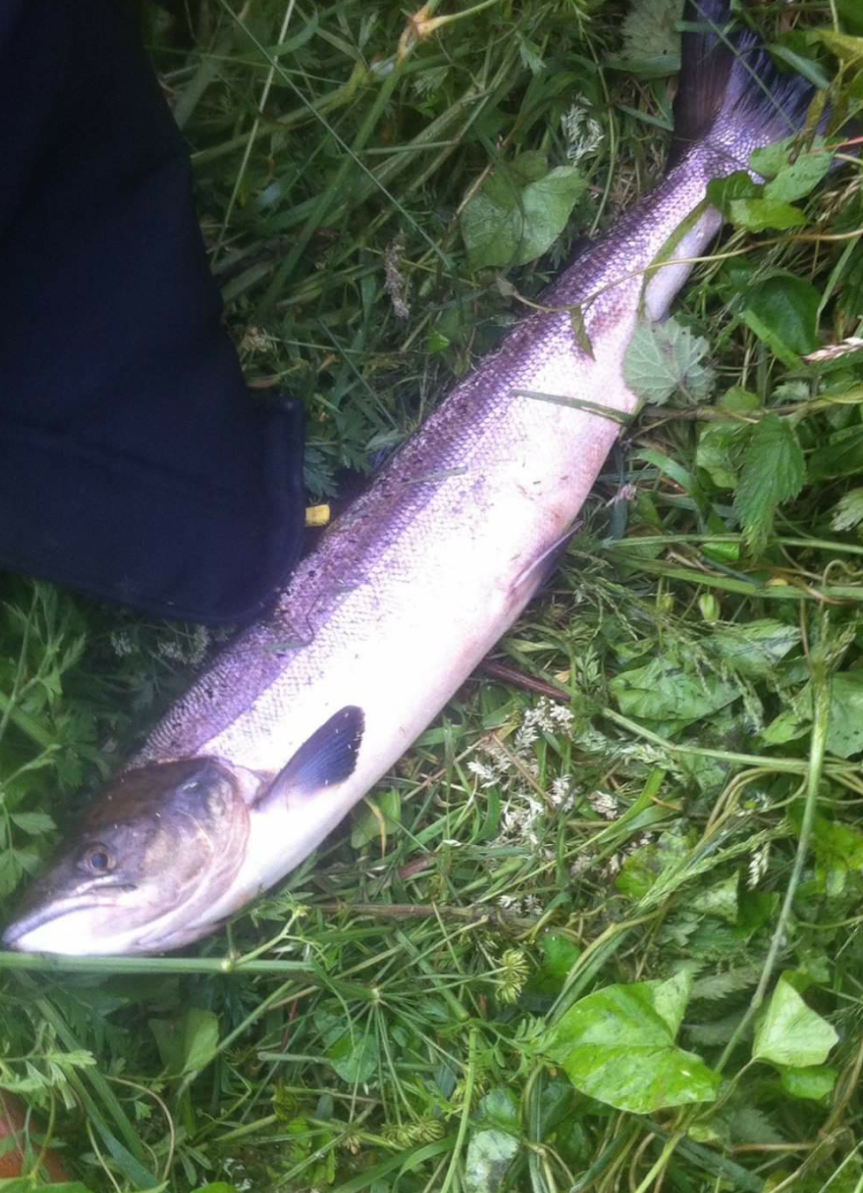
So the blog from me today is about salmon .I’ll start off with the life cycle of a salmon it starts at Stage 1 egg Stage 2 alevins Stage 3 fry Stage 4 parr Stage 5 smolt Stage 6 adult grown salmon Stage 7 kelts ( after spawning ). So it takes a salmon around two years or more to fully mature at sea until they return to Irish rivers they travel thousands of miles to make this journey home to spawn. They have to deal with escaping from nets at sea to river pollution and of coarse river fishermen who to be honest do the least damage to the salmon population. I caught my first salmon of the season a few days ago and when I landed the salmon I looked at it and taught about the life it had and the respect it gets in the kitchen from scaling it to taking out every last bone to filleting it and wondering what’s the head chef dish going to be next for this salmon. whats is its final resting plate going to look like.


KIMCHI

12440383_1054197891286791_2419271433365237199_o

Kimchi is one of those things that seems so exotic but is so ridiculously easy to make at home — and fresh, homemade kimchi is infinitely better tasting than anything you can buy.
If you’ve never had this fermented side dish, think of it like a spicy Korean version of sauerkraut
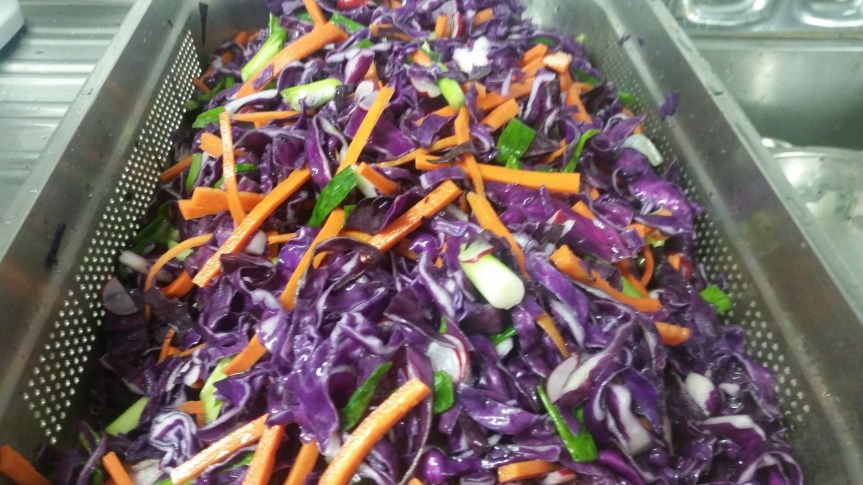
2 pounds red cabbage, chopped
1/4 cup  salt
1/2 pound RADISH, julienned
1/2 pound carrot, julienned
6 spring onions, sliced into 1-inch segments
4 cloves garlic, minced
1-inch piece fresh ginger, peeled and minced
1 small  pear (or apple), peeled, cored and chopped
1 small  onion, chopped
1 cup  water
1/2 cup gochugaru (Korean red pepper powder)or chilli paste
2 tablespoons fish sauce
20160627_143111
chop the cabbage in to small bite size pieces
In a very large bowl, massage the salt into the cabbage until the leaves start to release liquid.
Cover with water and let the cabbage sit at room temperature for at least two hours while the salt draws out moisture. Periodically toss the cabbage and work your hands through the leaves to expel more moisture

After about two hours, the cabbage should be soft and limp, and the volume reduced in half. (If yours is still firm and full, come back to it after another hour or two.)

Strain the cabbage and rinse under running water to remove excess salt

add the carrot spring onion, mix well

20160627_170011

in a blender add the

In a blender, combine the  pear (or apple, if using),  onion, water, gochugaru,(chilli paste )and fish sauce,ginger and give everything a whirl until smooth. Pour the sauce over the vegetables
20160627_170021
give the kimchi a good rubdown, making sure the veggies are well combined and coated with sauce

Pack the kimchi into jars, leaving 1 to 2 inches of headspace. The veggies will expand and release more liquid as they ferment, so you don’t want to overfill the jars.

Tamp down the veggies with the back of a spoon to fully submerge them. I find that there’s always enough liquid in the jars to keep them submerged, and since the liquid is more of a paste, the veggies don’t float to the top as in other ferments

20160627_171834

Wipe the rims clean, then loosely seal with lids and let the jars ferment at room temperature, out of direct sunlight, for at least three days. (It wouldn’t be a bad idea to place the jars in a shallow baking dish to catch any overflow of liquid.)

Every day, press down on the veggies with a spoon to expel more liquid and make sure everything is shipshape. A proper ferment should have no mold and no off smell.

After three days, you can start tasting the kimchi; refrigerate when the flavor has fermented to your liking. It should take on a spicy, sour taste. Some people like less sour and some like more sour, but you should definitely wait for your kimchi to take on a noticeably tangy taste if you want all the beneficial Lactobacilli in your ferment. place in a fridge and enjoy

Guest chef

It felt great when Noel asked me to write something for his blog. I love food with a passion especially dishes cooked using local ingredients where is possible but dishes I love to cook are Indian and Asian for different combinations to create great flavours.  I think this stems a bit from my dad who opened on the sixties the first Chinese restaurant in Ellesmere Port although we have no Chinese heritage. Unfortunately he had a great foresight to see that Asian restaurants were becoming extremely popular but not the foresight to see that his business  partner was not a good choice and he was forced to sell the restaurant. This was my first experience of restaurants and kitchens and as youngster I got to taste what customers wanted in front of house and the traditional food cooked by the chefs for themselves. One of the first lessons I learnt was preparation was essential as with Chinese food the cooking can be very fast and the second lesson was that the Chinese cook pork belly very well.

My introduction to Indian food came while I was working in the Sudan and our house manager was from Goa. He showed me some great dishes and a great insight into spices and how to achieve great flavours to which I was grateful. Again the lesson of preparation was essential to help achieve great food . So I have included two dishes that show that preparing ingredients can produce fabulous flavours on a plate. The first being a traditional chicken korma and I assure you if you try this dish you will never buy a sauce from a supermarket again.

20160625_231428

TRADITIONAL CHICKEN KORMA

SERVES 4

Ingredients

1.5 kg of chicken thighs deboned and skin removed

For the coconut paste

125 grams of fresh coconut flesh or frozen grated

50 grams of blanched almonds roughly chopped

4 tsp of white poppy seeds

For the masala

1 medium onion roughly chopped

2 tbs of vegetable oil

6 cloves

6 green cardamon pods bashed

3.5 cm cinnamon stick

1 tsp salt

1/4 to 1/2 tsp chilli powder

200ml of water

125ml of thick yogurt mixed with 125ml of water

3 black cardamon pods seeds only crushed


Method

Blend all the ingredients for the coconut paste in a mini processor add a touch of water to help it bind. Heat the vegetable oil in a heavy based wok or saucepan over a medium heat. Add the cloves, green cardamon pods and cinnamon stick and fry for 30 seconds. Stir in the onion and salt and fry for 10 minutes till the onion just about browns, add the chilli powder. Then add the chicken pieces and fry to brown the chicken, add the water and the coconut paste bring to a simmer and cook for 10 minutes. Take the pan of the heat and stir in the yoghurt and water mix then return to a gentle heat and cook for 30 minutes uncovered. Make sure the mixture does not stick to pan add water if needed. After 30 minutes stir in the black cardamon seeds and serve with Basmati rice.

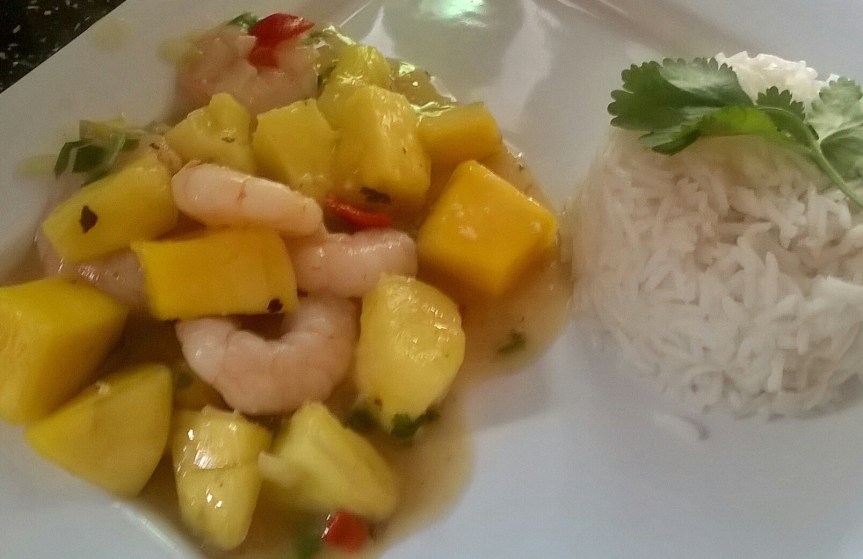
My next dish really needs preparation because the cooking of the prawns is so important you can’t start looking for ingredients or the prawns will over cook and spoil the dish. The dish has origins from Cambodia I have just put my twist on it but my friends have cooked my recipe for their friends and have had excellent feedback. It’s a great dish once prepared is so quick to cook so you don’t keep your dinner guests waiting.
20160625_231514

PRAWN, PINEAPPLE AND MANGO CURRY 

Serves 4

INGREDIENTS

1 firm mango but not over ripe

1 Tsp corn flour

1 medium sized pineapple

2tbs of vegetable oil

3 cloves of garlic finely chopped

100 gram of shallot finely chopped

1 red birds eye chilli (more if you want more heat)

500 grams of fresh king prawns peeled

Juice of one lime

1tbs of fish sauce

1tbs of light soy

Hand full of fresh coriander chopped

White pepper to season


METHOD

Peel and cut the mango into 10cm squares and do the same with the pineapple. Mix the corn flour with a touch of water and set to one side. Heat the oil in a wok to a medium heat add the garlic and allow 1 minute to sizzle till it just changes colour but does not burn. Then add the shallots and cook for 1 to 2 minutes, add the chilli and prawns turning the heat to high and cook till the prawns just turn pink about two minutes. Add 2tbs of water, lime juice, fish sauce, light soy and the corn flour, stir fry for a few seconds just to thicken the sauce. Then add the pineapple and mango and cook just too warm through. Stir in the coriander and season with the white pepper. Serve with Basmati rice.

I hope you try these two dishes but hope that you take on board “It’s all in the preparation” and again I thank Noel for letting me write for his blog a great chef who is inspirational to many.

many thanks to David for a brilliant piece . you can follow david on twitter @Diddy186Davis for much more


 

Seabass sauce verige

Guest blogger Allan Maynard joins us this week, Allan is sous chef at the 2 aa rosette Glan house hotel, you can follow Allan on twitter @lesouschef and the same on Instagram  to see his stunning food. Here are two of Allan’s favourite summer dishes

12440383_1054197891286791_2419271433365237199_o

Couple of my favourite and quick summer recipes, perfect to impress loved ones with restaurant style food
  • Sea bass, sauce vierge
  • 50g butter, melted
  • 2 sea bass fillets

For the sauce

  • 100g cherry tomatoes, finely chopped
  • 2 tsp small capers
  • juice of ½ lemon
  • 1 shallot, finely chopped
  • 100ml extra-virgin olive oil
  • handful torn basil leaves and chopped chives, to garnish
  • 10 black olives 
  • 1 bunch of asparagus 
  •  Line a grill pan with foil and brush lightly with butter. Brush the fish on both sides with butter and season. Lay on the foil, skin-side up. Put the tomatoes and shallot in a pan with the capers, lemon juice and oil, and season. Grill the bass for 5-7 mins under a hot grill until just cooked and the skin is starting to brown. Meanwhile, warm the sauce through for 2 mins, then stir in some of the torn basil leaves. Lift the bass onto warmed plates using a fish slice and spoon the sauce around. For the asparagus i pot of seasoned simmering water cook place asparagus into the pot cook for 2 minutes, remove and season with butter and salt .  Serve with steamed new potatoes or small baked potatoes, asparagus and add the remaining basil and chives. Perfect also for the BBQ

Ingredients perfect summer desert Eton Mess (works with all summer berries why not mix and match) 

  • 500g/1lb 2oz strawberries hulls removed

  • 400ml/14fl oz double cream

  • 3 x 7.5cm/3in ready-made meringue  nests, crushed

  • 1 bar off your favourite chocolate

  • sprigs of fresh mint, to garnish

Preparation method

  1. Purée half the strawberries in a blender. Chop the remaining strawberries, reserving four for decoration.
  2. Whip the double cream until stiff peaks form, then fold in the strawberry purée and crushed meringue. Fold in the chopped strawberries and your favourite chocolate
  3. Spoon equal amounts of the mixture into four cold wine glasses. Serve garnished with the remaining strawberries and a sprig of mint