


Author: traleeculinarygangsters
Chef, food truck owner, Gardner, forager, blogger, author , columnists,
Sid on gluten

Gluten – why so many of us react to it?
Gluten has become one of the major dietary components that so many of us have an adverse reaction to. In the last 40-50 years the incidence of coeliac disease and other gluten related illnesses has skyrocketed. This is most likely due to how our grains are grown and genetically modified. Through modifying and hybridising these plants, they have become easier and faster to grow, resistant to harsh environments and ultimately more profitable to produce.
Gluten is a protein found in wheat, spelt, oats, rye, barley and products made from them. Gluten sensitivity causes inflammation of the gut, eventually leading to intestinal permeability or ‘leaky gut’. This can trigger allergies, sensitivities and inflammation in the body. The lining of the small intestine contains millions of tiny hair like projections called villi which absorb our nutrients from our food. Coeliac disease is a condition, where gluten causes an autoimmune reaction in which the immune system mistakenly attacks itself. This results in the lining of the small intestine becoming damaged, thereby reducing the person’s ability to absorb nutrients from food. The process may damage other areas of the body also and increase the risk for diseases like bone disease, anaemia and intestinal disorders. Symptoms of gluten sensitivity can include:
Diarrhoea Constipation Weight Loss Chronic Tiredness Anaemia Indigestion Depression Infertility Mouth Ulcers Abdominal Cramps Vomiting IBS
Research studies cited in many medical journals have linked Gluten Sensitivity to behavioural and developmental disorders in children such as Autism, ADHD, and Asperger’s Syndrome
By Richard Sheehan Nutritional Therapist Dip NT mIANT
web http://www.nourishbynature.ie
email nourishbynaturelistowel@gmail.com
mobile 087 3848818
Foraging sea greens
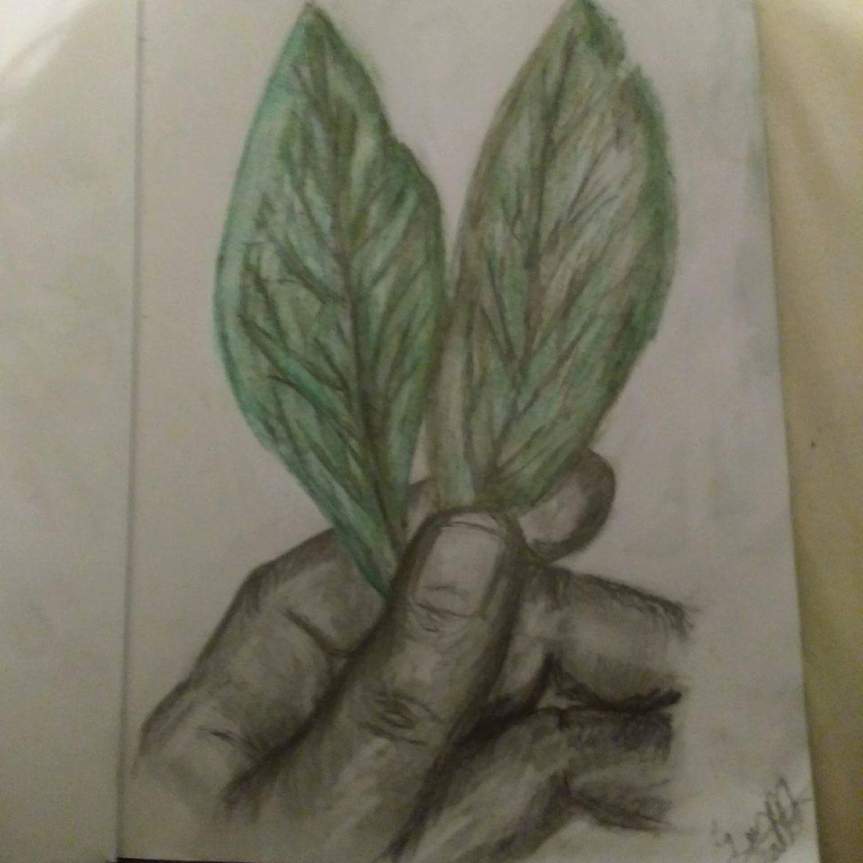
Sea greens
|
|
|
|
|
Sea greens
Now that the winter is well on its way most of my summer greens have gone to sleep until late spring so I now have new greens in natures vegetable stores.
The hardier of the sea vegetables are coming out to grace our plates. One of these is back for the second time this year all be it in a different form instead of growing up it grows out to resemble a young cabbage patch without the slugs and snails. Scurvy grass is now carpeting an area that was once covered in samphire and sea grass
Oyster leaf is coming to the end with the last few leaves withering away another variety of samphire takes its place
All of these greens are rich in natural salts minerals and vitamins which are lacking in the majority of peoples diets today.
You can pay for supplements and get more chemically engineered minerals or you can take a drive or a walk if close enough to the nearest beach there is always something to be picked and it’s free just add to a pan with a small bit of butter and gently wilt it or add to white sauce to add a natural saltiness or even mix it through with some salad leaves dress with lemon juice and cracked black pepper.
An added bonus to these greens for the health conscious amongst us there is no added insecticide, pesticides or weed killers no growth hormones, all natural and basically calorie free they really are (sorry Sid) nourish by nature.
Follow my adventures on Instagram @chefpaulc for what to look for and eat on our coastline pantry thanks also to my fiancée jenny for the artwork follow on Instagram @wattonarts
Sid on food intolerance
COULD YOU HAVE A FOOD INTOLERANCE?
What is a food intolerance?
A food intolerance is quite simply an unpleasant reaction to a food. It is our body’s natural defence mechanism telling us that this particular food does not agree with us. The immune system, which protects us produces anti-bodies that deal with anything which invades the body. Sometimes these antibodies not only destroy the invader but also destroy some of the bodies tissues. This over sensitive immune system causes inflammation, discomfort and pain associated with irritable bowel syndrome (IBS), eczema and arthritis amongst many other inflammatory conditions. Over time, if we continue to consume these offending foods on a regular basis the result is a lifetime of chronic inflammation. By correctly identifying and removing these problem foods, there is very often a significant improvement to health.
Allergy v Intolerance
Both of these terms are very often used in the same context, but it is important that you understand the difference between the two. Both are reactions to a food but it is the type of reaction that is important.
Food allergy
This reaction occurs almost immediately after consuming the offending food, usually within the first hour. The reaction is often very obvious and quite violent. Common symptoms are itchy skin, rash, swollen lips and tongue, vomiting and/or diarrhoea. In more severe cases, you may not even have to consume the food but just be in contact with it. Difficulty breathing can also be experienced in extreme cases. Immediate medical attention is required. Only about 2% of the Irish population actually suffer from a food allergy.
Food intolerance
This type of reaction affects a far greater number of us every day. A food intolerance can develop at any time of life whereas a food allergy most often develops in early childhood. The reaction rarely occurs immediately after consuming the food, in fact it can take up to 48hrs before any symptoms will be felt. Many chronic conditions may be associated with an intolerance to a particular food, here are just a few of the more common offenders and how they may affect you.
Dairy: Some of the reactions to dairy (particularly cow dairy) include digestive distress, asthma, skin conditions and sinus problems.
Wheat: This major offender may be linked to headaches, bloating, diarrhoea/constipation, fatigue and brain fog.
Gluten: If allergic to gluten, it causes coeliac disease. An intolerance to gluten may be linked to malabsorption of nutrients (leading to a whole host of illnesses), IBS, behavioural issues in children and depression.
By Richard Sheehan Nutritional Therapist Dip NT mIANT
web http://www.nourishbynature.ie
email nourishbynaturelistowel@gmail.com
mobile 087 3848818
All about apple salads

kevin on capers
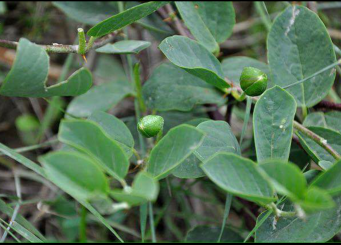
Have you ever wondered what a caper is??
A caper is the bud of a bush that is called a Capparis Spinosa AKA a caper bush also known as flinders rose. The buds are then salted and after a certain amount of time gently washed and pickled with vinegar.
The best capers though are just sea salted. You can also get smaller capers which are generally more expensive but for other reason then they are harder to gather or forage.
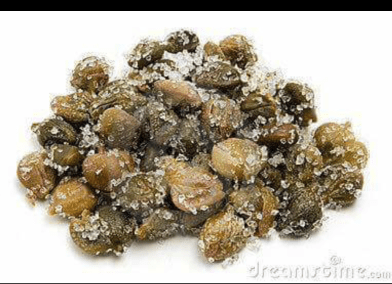
Pickled or sea salted capers go well with pretty much everything. Meat, fish or salads. They are also used to enhance the flavours of other dishes such as caponata which is a zesty aubergine dish (which origins are a mystery but believed to be connected to the caper) and one on my personal favourites pepperonata which is a vegetarian dish but can be served with so many different dishes.
The capers we get from the islands between Italy and Africa are the best because of climate and the islands that have volcanic minerals are the best of all. Here are some photos of where they come from and some photos of what you can do with them

follow kevin on twitter @parsnip78
chocolate truffles tips

Always Use good chocolate made with good ingredients
— all natural, cocoa butter, cocoa solids so no palm oil or vanillin
—check the label so you know what you are buying
Use the chocolate you like to eat, buy a few different brands and do your own taste-test to work out what you like best.
Keep your chocolate in a cool dry place- but not the fridge.
Store it at around 15 degrees.
Don’t work in a hot and humid environment, this can cause chocolate to ‘bloom’
Practice practice practice
Don’t be scared to experimentwith flavours and textures its fun
use 70% plus dark chocolate for best results
Apple recipes

Tralee advertiser

Sid on sugar
Outwitting the Sugar Addiction
Sugar
Sugar is a major life force needed to fuel the brain and body. Sugars that are found in whole foods are balanced with the proper minerals. When these sugars break down and are assimilated, the energy produced is stable and long lasting.
When natural sugar is refined and concentrated the balance is dismembered. Refined sugar passes through the blood stream quickly in large amounts upsetting the stomach and pancreas. Overtime, prolonged use of refined sugar leads to an acid condition, consuming the body’s minerals, weakening the digestive system, and throwing the blood sugar out of balance. This quick, high energy producer is unfortunately addictive and contributes to obesity, hypoglycaemia, diabetes, high blood pressure, heart disease, anaemia, immune deficiency, tooth decay, and loss of bone mass among many other conditions. In fact, sugar is so addictive that many clinical trials involving rats as test subjects, have shown that refined sugar is a more powerful addictive substance than cocaine.
Removing sugar from the diet is no easy task. It is everywhere!
If you try to go cold turkey, be prepared for some nasty withdrawal symptoms. Many experience headaches comparable to a migraine, exhaustion, mood swings and depression. But don’t let that put you off. Sugar withdrawal doesn’t have to be torture.
Before you go crazy trying to throw it out…use these tips and try some of the sugar alternatives offered here. Over time, you may actually prefer them, and your body will thank you.
Tips to Kick the Sugar Habit
Eat Regularly. Eat little and often. Many people have a drop in blood sugar levels when meals are too spaced out, leaving us feel hungry and more likely to crave sweet sugary snacks.
Choose Whole Foods. The closer a food is to its original form, the less processed sugar it will have.
Try To Incorporate Protein Into Each Meal. This helps to control blood sugar levels. Make sure they are healthy sources. Be sure to start the day with right with a good wholesome breakfast to limit sugar cravings throughout the day.
Get Enough Sleep. When over tired we often use sugar for energy to counteract the exhaustion.
Keep It Out Of Reach. Keep sugary snacks out of the house or place of work. It’s hard to give in to temptation if it’s not there in the first place.
Distract Yourself. Cravings are usually short-lived. If you can distract yourself with something else, it often passes. The more you do this, the easier it gets and the cravings get easier to deal with.
Give Yourself A Break. It is possible to satisfy that sweet tooth with something nutritious. Do avoid artificial sweeteners, which will do little to alter your desire for sweets and have a negative effect on the body. Have a piece of fruit or a square of dark chocolate which actually has many health benefits, in moderation of course!
Written by Richard Sheehan
Dip NT mIANT
 traleeculinarygangsters