

Category: recipes
Chef Noel recipes
Gumbo

Braised lamb neck

Salmon
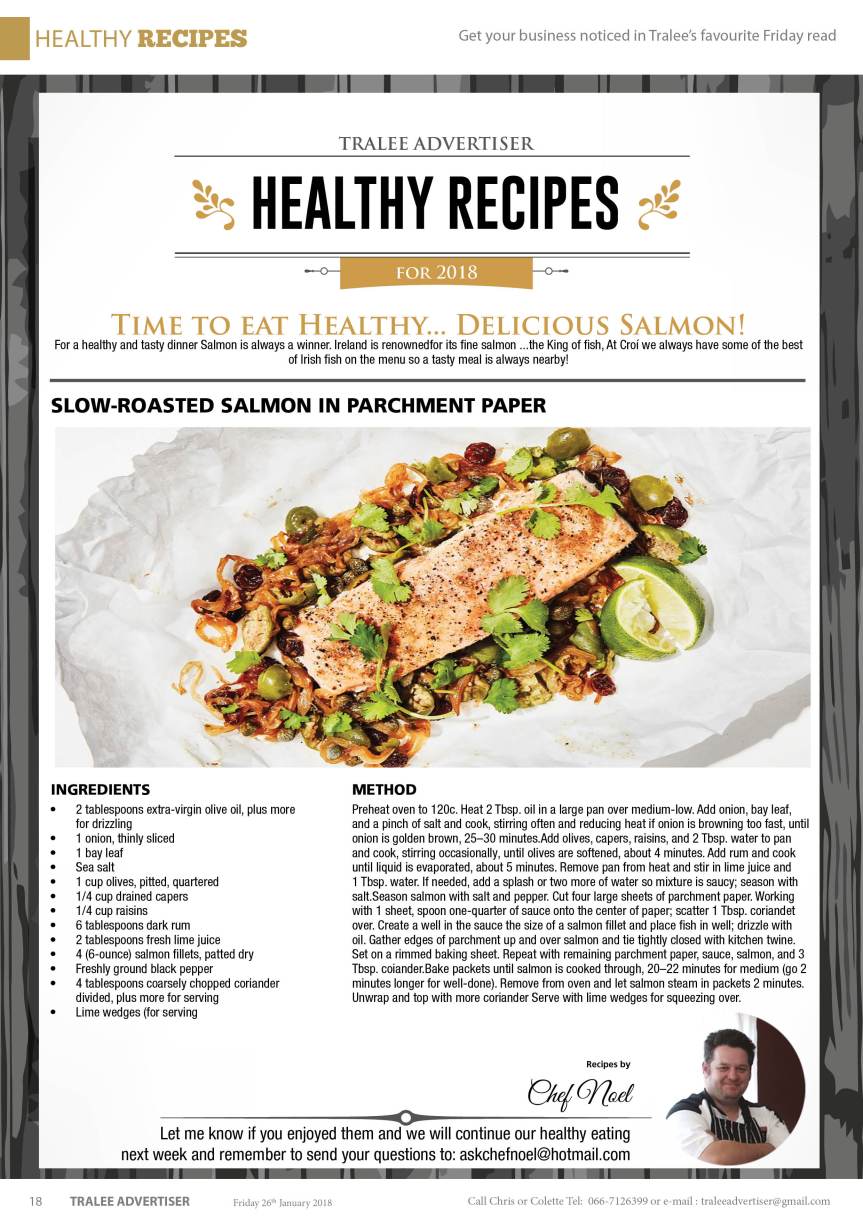
Zesty soups
Dave talks ice cream

History of Ice Cream
A.D 54-68: For centuries, iced desserts were a luxury. Roman Emperor Nero is said to have sent his slaves into the mountains surrounding Rome, to fetch snow to mix with nectar, fruit pulp and honey.
A.D 618-907: The origins of ice cream date back to China’s T’ang period, probably as a dish for the country’s noble men. The founder of the dynasty, King T’ang of Shang, kept 94 “ice men” on hand to lug ice to the palace to make a dish of koumiss (heated, fermented milk), flour and camphor.
A.D 1295: Marco Polo returned to Italy from the Far East with a recipe that closely resembled what is now called sherbet. Historians estimate that this recipe evolved into ice cream sometime in the 16th century.
A.D 1744: American colonists brought along recipes from Europe. On May 19th, 1744, a group of VIP’s dined at the home or Maryland Governor Thomas Bladen. Present was a Scottish colonist who described “A Dessert…Among the Rarities of which is was Compos’d, was some fine Ice Cream which, with the Strawberries and Milk, eat most deliciously.” This is the first written account of ice cream consumption in the new colonies.
A.D 1782: Martha Washington once left a bowl of sweet cream on the back steps of Mount Vernon one night, and the next morning discovered ice cream. (frozen sweet cream).
A.D 1843: Until September 9th 1843, ice cream was made by the “pot freezer method,” but on this day Nancy M. Johnson of Philadelphia got her “artificial freezer” patented, containing a tub, cylinder, lid, dasher, and crank. This design is still widely used today.
A.D 1851: Baltimore dairyman Jacob Fussell opened the first commercial ice cream factory. He had a surplus of cream – so he built an ice cream factory in Seven Valleys, Pennsylvania, and shipped it to Baltimore by train. Business boomed, and Fussell became the father of the wholesale ice cream industry.
A.D 1880: The ice cream sundae was invented on the eastern side of the US. It was invented because ice cream sodas weren’t allowed to be sold on Sundays; the ice cream sundae was a way to circumvent that restriction. On September 22,1903, there is a recorded application for a patent for the ice cream cone by Italo Marchiony.
A.D 1939: Grocery stores didn’t start selling ice cream until the 1930’s, and by WWII, ice cream had become so popular that it turned into somewhat of an American symbol (Mussolini banned it from Italy for that very reason). Ice Cream was great for troop morale, and in 1943 the U.S Armed Forces were the worlds largest ice cream manufacturers.
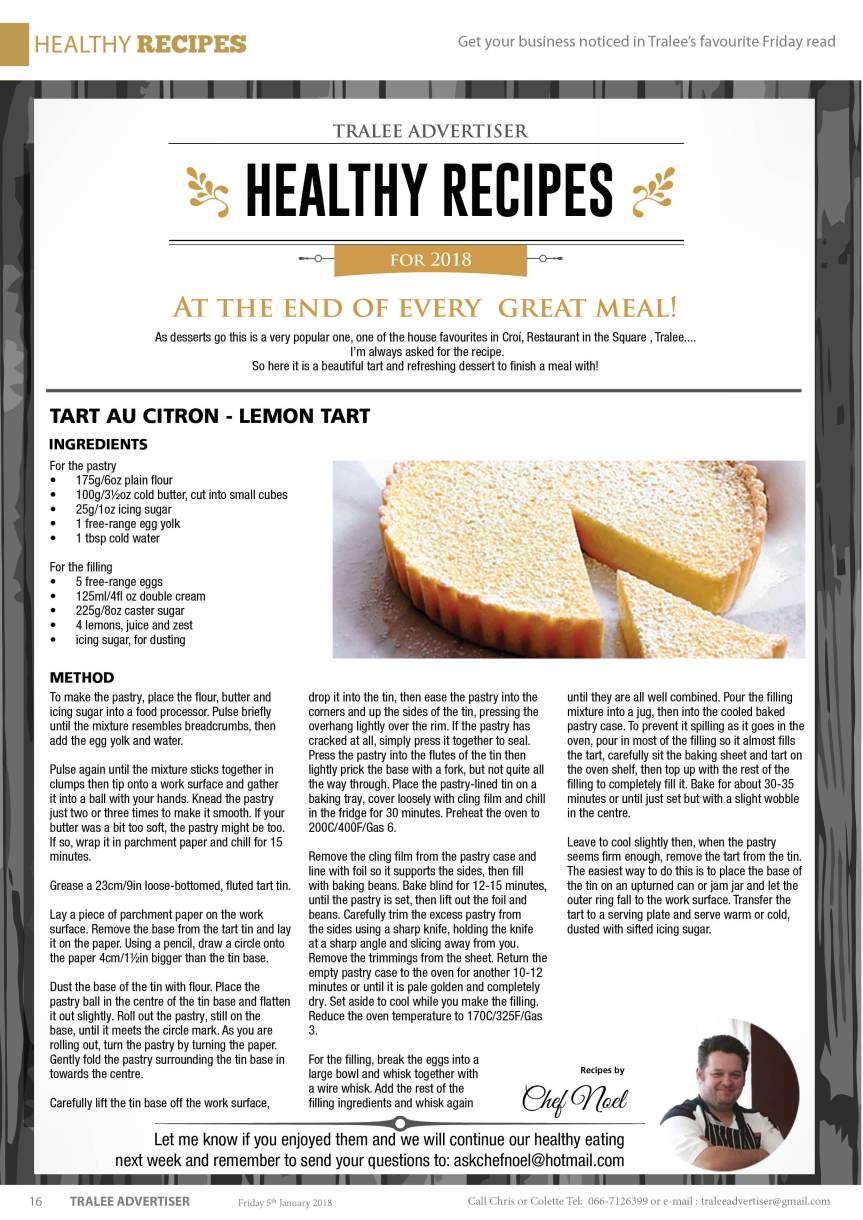
Zesty lemon tart
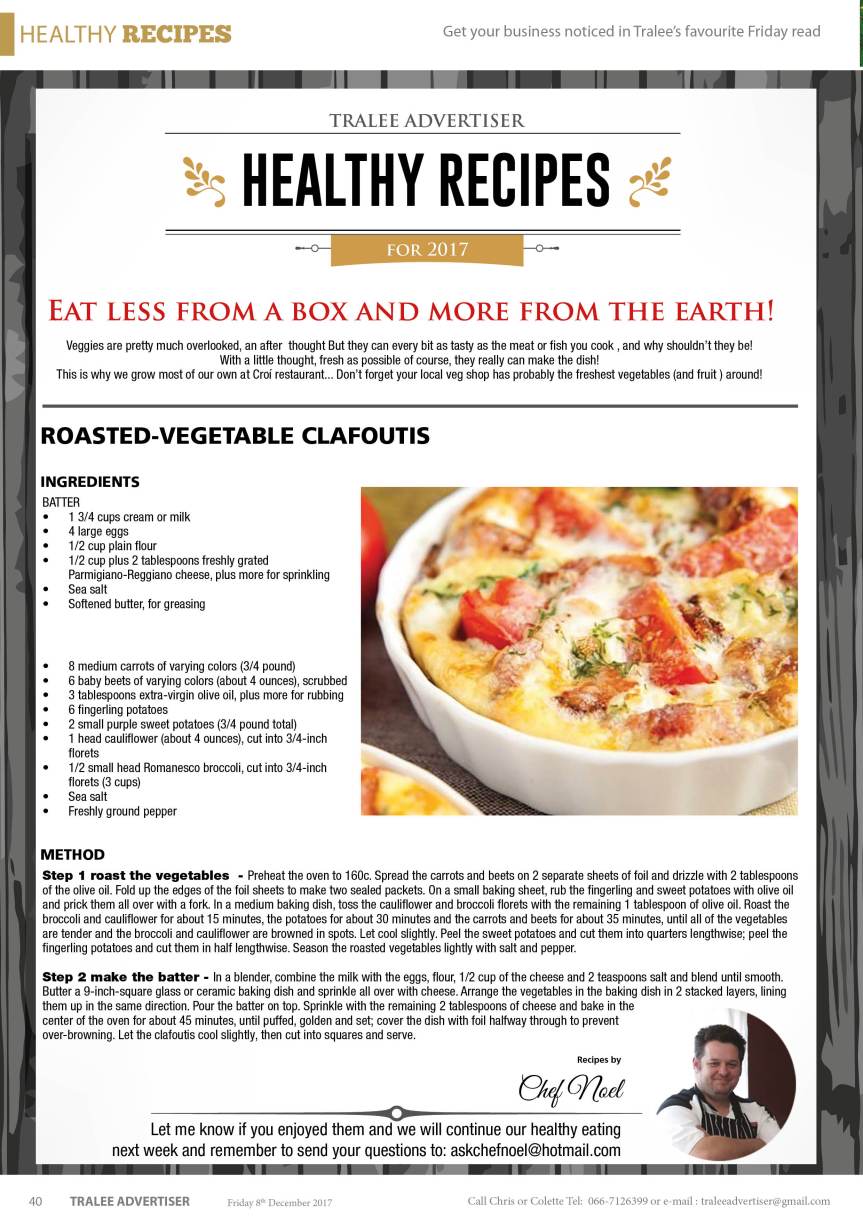
Vegetables more than a side
osso buco

(Serves 4)
2 tbsp olive oil
25g flour, to dust
4 pieces of veal shin, about 4cm thick
50g butter
1 onion, finely chopped
1 carrot, finely chopped
1 celery stick, finely chopped
1 head of garlic, cut horizontally
2 strips of lemon zest
4 sage leaves
200ml white wine
200ml good chicken stock
For the gremolata
1 unwaxed lemon, zest finely grated
1 garlic clove, very finely chopped
3 tbsp flat-leaf parsley, finely chopped
Pinch of sea salt
Set a casserole dish wide enough to hold the meat in one layer over a high heat, and add the oil. Put the flour on to a small plate and season generously, then use to coat the meat. When the oil is hot, add the meat to the pan and brown well on both sides until golden and crusted. Set aside on a plate.
Turn the heat down and add three quarters of the butter to the pan. When melted, add the onion, carrot and celery, plus a sprinkle of salt, and cook until soft. Add the garlic halves, lemon zest and sage to the pan and cook for a few minutes more.
Turn up the heat then add the wine to the pan. Return the meat, standing it on top of the vegetables, and bubble until the wine has reduced by half. Pour in the stock and bring to a simmer.
Turn the heat right down, cover and simmer for one and a half to two hours, carefully turning the meat over every 30 minutes, until it is tender enough to cut with a spoon. Meanwhile, mix together the gremolata ingredients.
Dot with the remaining butter and allow to melt into the sauce, then serve with the gremolata and risotto alla milanese or wet polenta.
 traleeculinarygangsters